How Solar-Powered Irrigation Is Transforming Vegetable Farming in Uganda
Agriculture remains the main source of income for many households in Uganda, yet thousands of farmers still depend entirely on seasonal rainfall for crop production. In regions that experience prolonged dry spells, vegetable farming can become difficult, leading to reduced yields, income losses, and food insecurity.
As climate change continues to affect rainfall patterns, more farmers are turning to solar-powered irrigation systems as a reliable and sustainable solution for year-round farming.
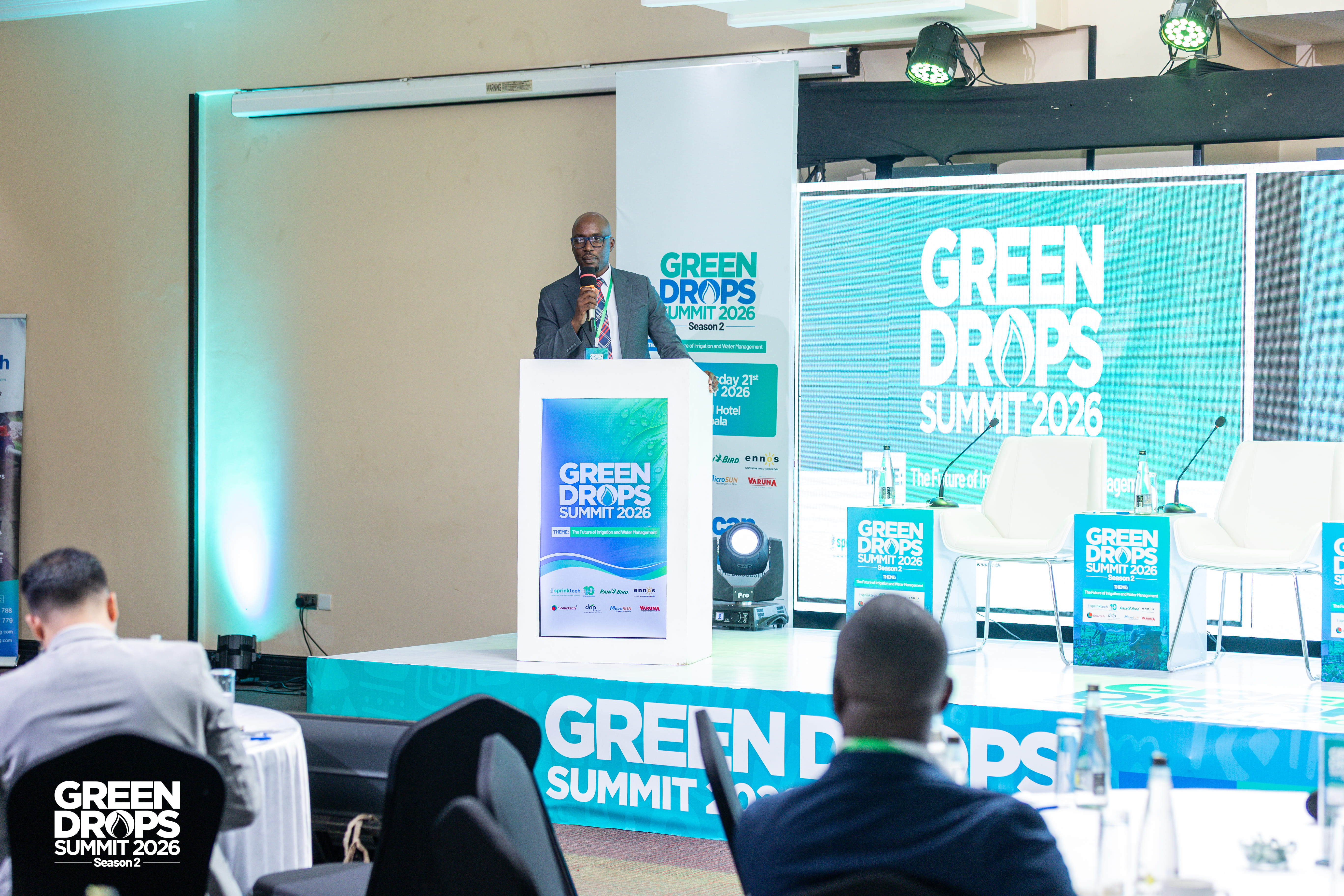
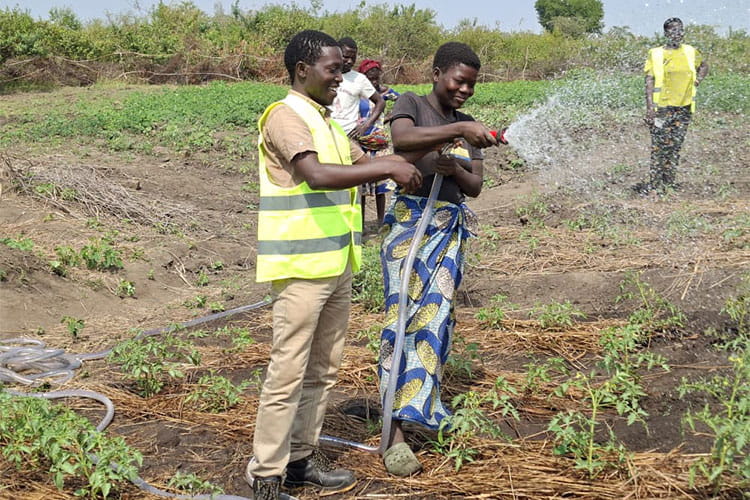
Recently, vegetable farmers in Nebbi and Zombo districts benefited from training and access to 1.5HP solar-powered water pumps aimed at improving irrigation efficiency and supporting sustainable agriculture. The initiative focused on equipping farmers with practical knowledge and affordable irrigation technology that can help increase productivity while lowering farming costs.
The Growing Need for Irrigation in Uganda
Many farmers in Uganda rely on rain-fed agriculture, which makes farming highly vulnerable to drought and unpredictable weather conditions. During dry seasons, vegetable production often declines due to limited water availability.
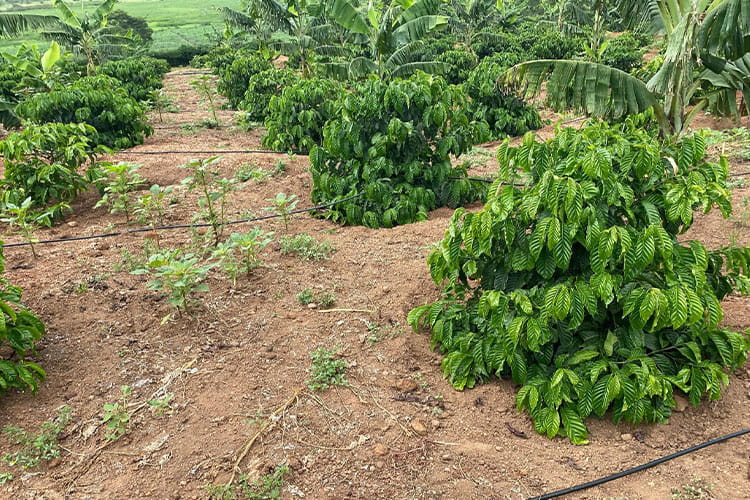
Reliable irrigation allows farmers to continue growing crops throughout the year, improving both food supply and household income. However, traditional irrigation methods that rely on fuel-powered pumps can be expensive and difficult to maintain, especially for smallholder farmers.
This has created growing interest in solar-powered irrigation systems, which provide a cleaner and more affordable alternative.
Why Farmers Are Choosing Solar-Powered Irrigation
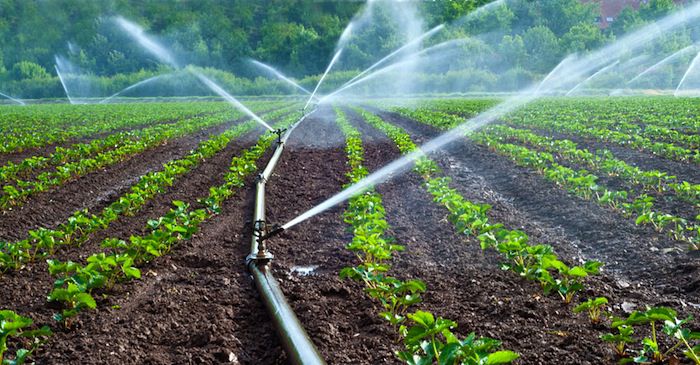
Solar-powered water pumps use energy from the sun to draw and distribute water for irrigation. Unlike diesel or petrol pumps, they do not require fuel to operate, making them more cost-effective in the long term.
Key Benefits of Solar Irrigation Include:
Reduced Irrigation Costs
Farmers can significantly cut fuel expenses and reduce the overall cost of irrigation operations.
Reliable Water Access
Solar pumps provide consistent water supply for crops, especially during dry periods.
Increased Crop Yields
Regular irrigation improves plant growth, resulting in healthier crops and higher vegetable production.
Year-Round Farming
With reliable irrigation, farmers can continue growing vegetables throughout the year instead of depending entirely on rainfall.
Environmentally Friendly Farming
Solar energy reduces carbon emissions and promotes sustainable agricultural practices.
Farmer Training Is Just as Important as Technology
Providing irrigation equipment alone is not enough to create long-term impact. Farmer training plays a major role in ensuring that irrigation systems are used effectively and maintained properly.
In Nebbi and Zombo districts, farmers received practical training on:
• Operating solar-powered irrigation pumps
• Water management techniques
• Basic maintenance and troubleshooting
• Efficient irrigation practices for vegetable farming
Training helps farmers maximize the benefits of irrigation technology while improving sustainability and productivity.
Supporting Climate-Smart Agriculture
Solar-powered irrigation is becoming an important part of climate-smart agriculture in Uganda. As weather patterns become increasingly unpredictable, farmers need solutions that improve resilience and reduce dependence on rainfall.
Modern irrigation systems can help farmers:
- Adapt to climate change
- Improve food security
- Increase household income
- Reduce production risks
- Expand commercial vegetable farming
For smallholder farmers, access to efficient irrigation can mean the difference between seasonal farming and continuous agricultural production.
The Future of Irrigation Farming in Uganda
The demand for affordable and sustainable irrigation solutions in Uganda continues to grow. More farming communities are recognizing the value of investing in solar-powered water pumps and modern irrigation technologies to improve agricultural productivity.
As awareness increases, solar irrigation is expected to play a major role in transforming vegetable farming, especially in rural areas where access to electricity and fuel remains limited.
By combining farmer training, sustainable energy, and efficient water management, solar-powered irrigation is helping farmers move toward more productive and resilient agriculture.
Conclusion
Solar-powered irrigation is creating new opportunities for farmers across Uganda by reducing irrigation costs, improving water access, and supporting year-round vegetable farming.
Initiatives that provide both irrigation technology and farmer training are helping communities improve productivity, strengthen food security, and adapt to changing climate conditions.
As more farmers adopt sustainable irrigation practices, solar-powered farming solutions are likely to become an increasingly important part of Uganda’s agricultural future.