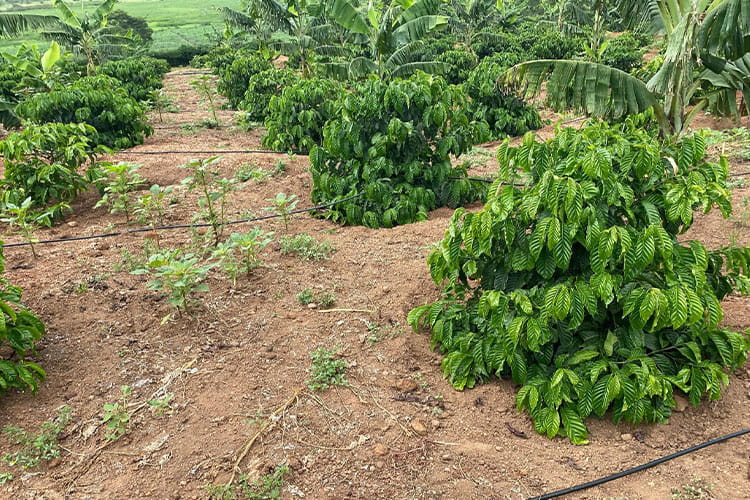
Modern Irrigation Practices to Drive Uganda’s Agriculture Against Erratic Weather
The Ministry of Water and Environment has warned farmers against the misuse of irrigation, emphasizing the need for proper water management as Uganda faces unpredictable rainfall and prolonged dry spells.
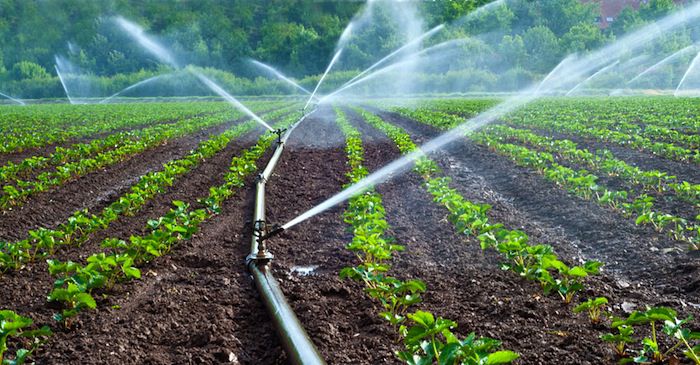
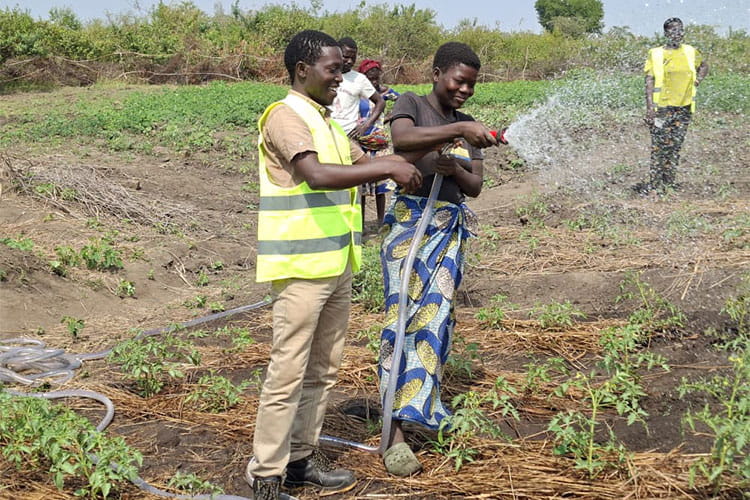
The unpredictable rainfall and prolonged dry spells have for a long time threatened Uganda’s agriculture, prompting experts to push for modern irrigation as a vital tool for higher yields, water conservation and climate resilience.
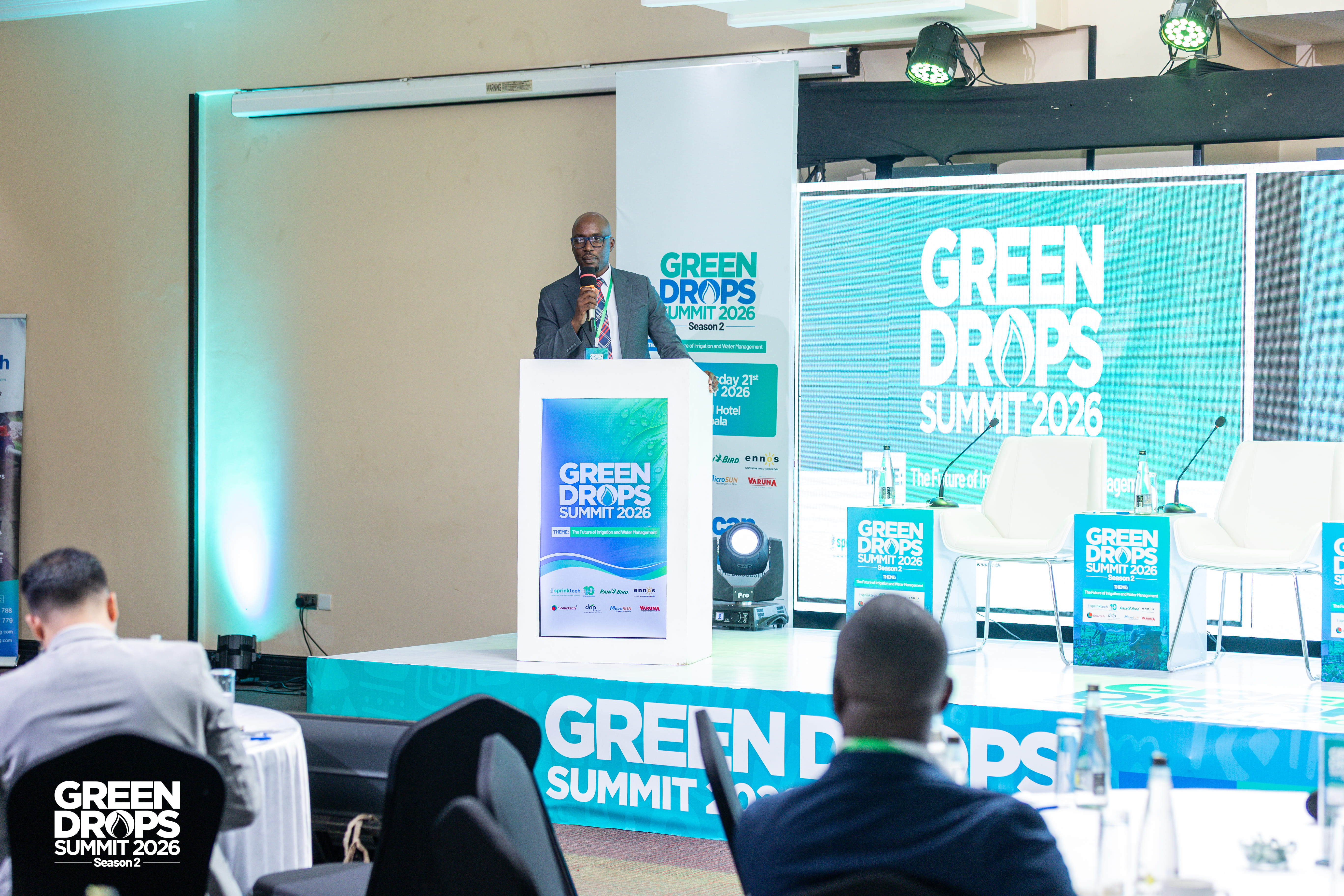
According to the Assistant Commissioner for Water Resources Planning and Management at the Ministry of Water and Environment, Eng. Dominic Banaga Mucunguzi, agriculture cannot exist without water, but irrigation requires careful management to avoid erosion and other environmental challenges.
“There are basically three challenges, I would say, from the water perspective that the farmers have. At times, there is too much water. For example, in the rainy season, you have floods, so the farmers find they cannot do farming that season.
Two, there is too little water when it’s a dry season, and the crops need water to grow. The third one is also the quality of water. Sometimes it is bad because of poor agricultural practices, where you have the sediment going and polluting the water resource.
And if you are to do irrigation, you cannot use that poor-quality water to do irrigation. So, some of the solutions I would propose to that. First of all, on the issues of too much water, I think we need to harvest that water,” he said.
He advised farmers to take an interest in rainwater harvesting during the wet season so that the stored water can be used during dry periods.
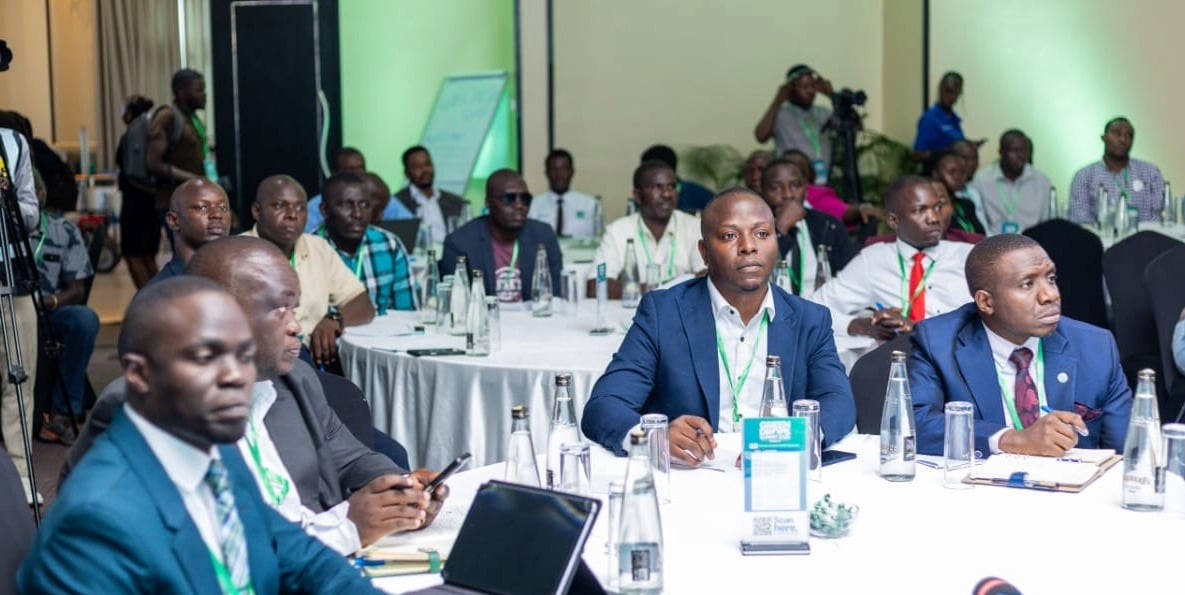
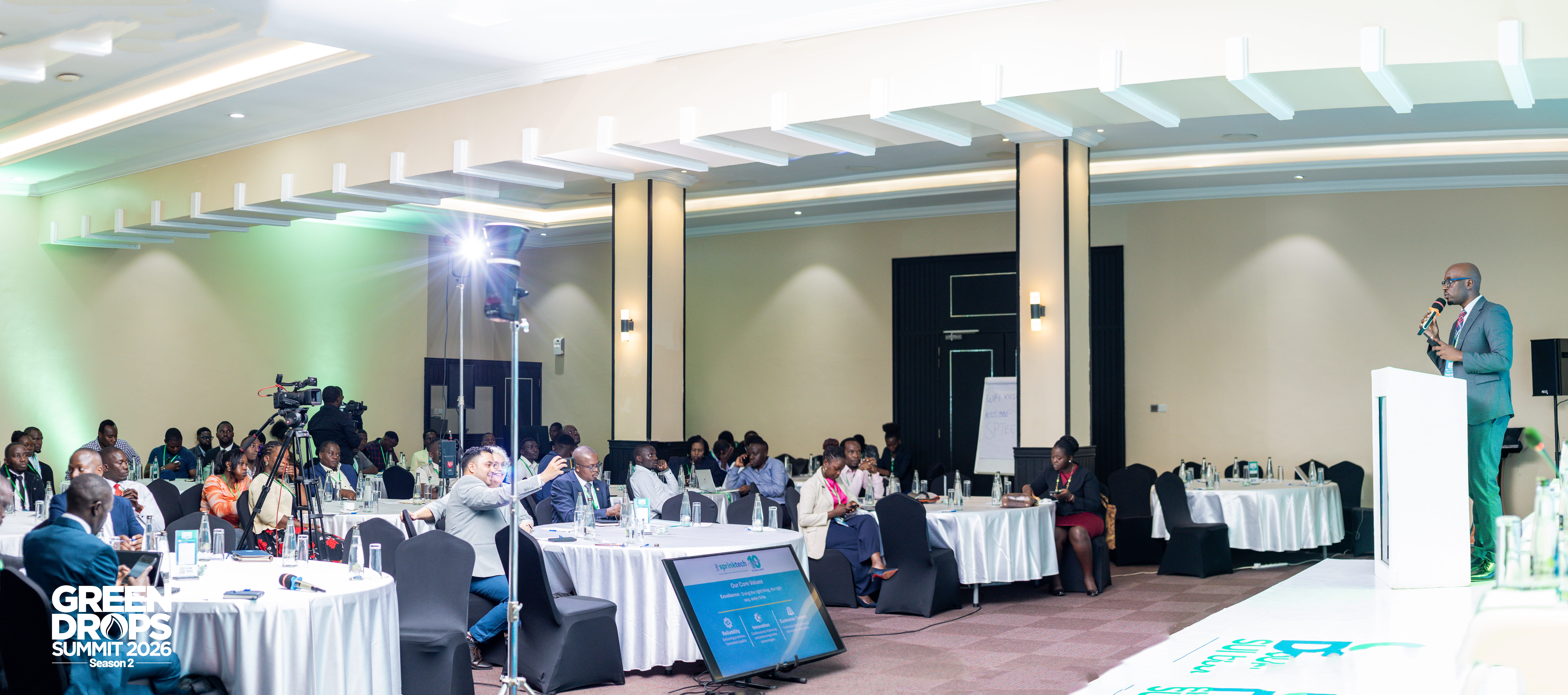
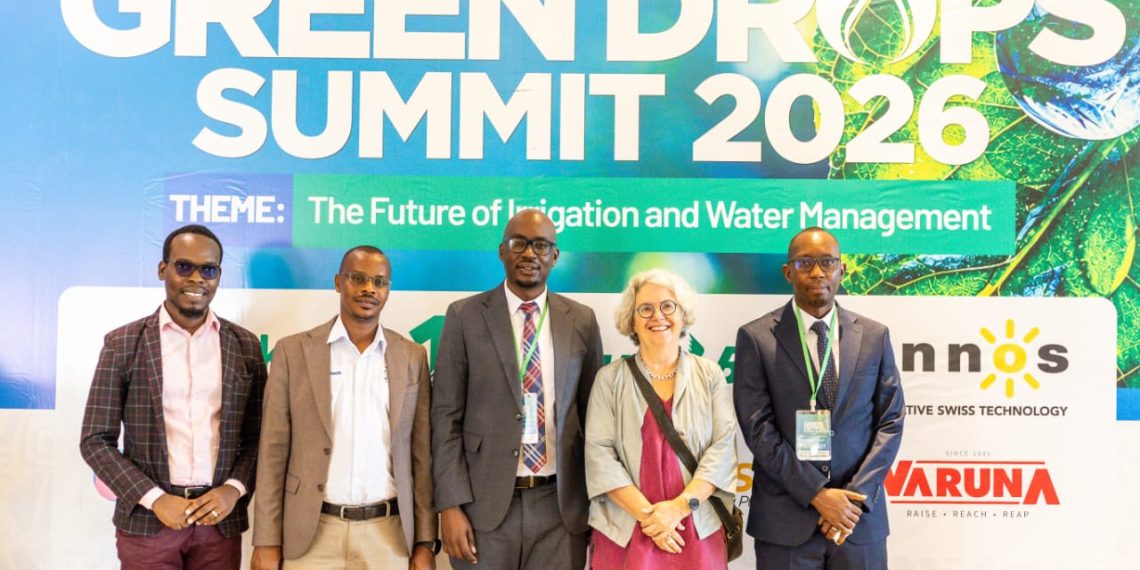
He was speaking at the second Green Drops Summit in Kampala, where government officials, irrigation specialists, technology providers and development partners gathered to explore practical solutions for sustainable farming.
The conference was organised by Sprinktech Company, Uganda’s leading water and energy solutions provider.
The company’s Chief Executive Officer, Mr Javan Mukundane, said that with about 80 per cent of Ugandans employed in agriculture, reliable irrigation is increasingly essential to protect livelihoods and stabilise food production.
“In Uganda, 80% of the population depends on agriculture. Actually, 80% is employed in agriculture and with these changing climatic seasons, we need to embrace irrigation.
We do not only actually stop at irrigation, but can I have an irrigation system that reports back to me to tell me that today I have irrigated, my crops are thriving, tomorrow when it rains, I suspend the irrigation. We do not only need an irrigation system that will be operated manually, but an irrigation system that works for you,” he said.
Mr Karin Jeannette, Chief Executive Officer of ENNOS AG, a Swiss clean-tech company that designs and manufactures high-efficiency surface solar water pumps, stressed that jointly delivering climate-smart solutions tailored to Ugandan farmers can help promote agricultural production at a lower cost.
Mr Gaurav Sharma of Kirloskar Fluid Dynamics (Varuna) pointed to solar pumps as a reliable alternative for farmers in areas where grid electricity is unreliable or expensive.