
Water is at the heart of agriculture, food security, and sustainable economic growth. However, changing weather patterns, prolonged dry spells, and increasing demand for water are challenging farmers and agricultural businesses to rethink how they access and manage this essential resource.
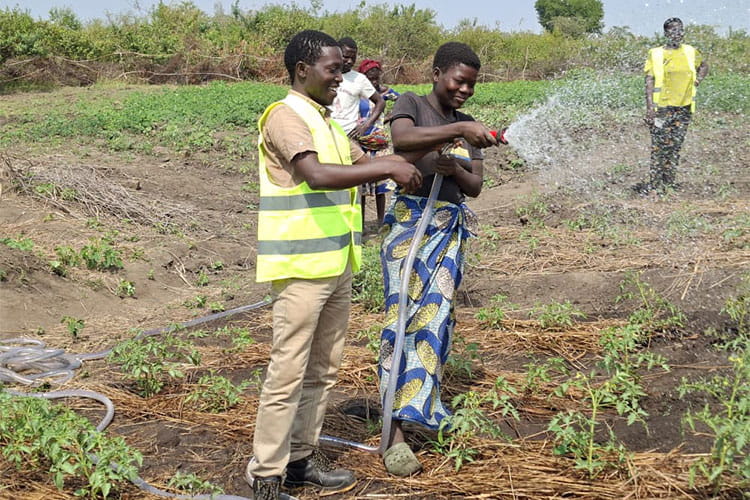
In Uganda, where many farmers still depend heavily on rainfall, the future of agriculture will increasingly depend on reliable irrigation systems and efficient water management practices. From solar-powered water pumps to smart irrigation technologies, innovative solutions are creating opportunities for farmers to improve productivity, reduce water wastage, and grow crops beyond traditional rainy seasons.
As the agricultural sector evolves, the future of irrigation and water management will be shaped by technology, sustainability, and the need to make reliable water solutions accessible to more farmers and communities.
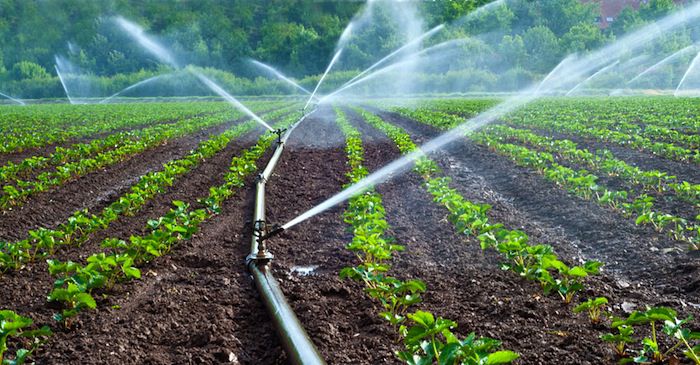
Traditional irrigation methods can result in unnecessary water loss when water is applied without considering crop requirements, soil conditions, or weather patterns. Smart irrigation technologies are changing this by helping farmers apply water more precisely and efficiently.
Technologies such as soil moisture sensors, automated irrigation controllers, and weather-based monitoring systems enable farmers to make informed irrigation decisions. Instead of watering crops according to a fixed schedule, farmers can adjust irrigation based on actual field conditions.
These technologies can help farmers apply water when crops need it most, reduce unnecessary water consumption, improve irrigation efficiency, save time, and make better decisions about irrigation scheduling.
As these solutions become more accessible, smart irrigation will play an increasingly important role in modernising agriculture in Uganda.
The cost and availability of energy remain important considerations for farmers who want to irrigate their land. Solar-powered water pumping offers an alternative by using energy from the sun to pump water from suitable sources to farms, storage facilities, and irrigation systems.
Uganda’s abundant sunshine presents an opportunity to expand the use of solar energy in agriculture. Solar-powered irrigation can help farmers reduce their dependence on fuel-powered pumps and grid electricity, where these are costly, unreliable, or unavailable.
When properly designed and installed, solar irrigation systems can support more predictable water access, particularly during dry periods when crops need supplementary irrigation.
The future will also see greater integration of solar pumping with water storage tanks, efficient distribution networks, drip irrigation, and automated controls. These combinations can help farmers make better use of available water and solar energy.
However, successful implementation requires proper system sizing, a reliable water source, appropriate pump selection, and regular maintenance.
The future of irrigation is not only about accessing more water; it is also about using available water responsibly.
Water resources face competing demands from agriculture, households, industry, and ecosystems. As these demands increase, efficient water management will become essential for protecting water supplies while supporting agricultural production.
Farmers and agricultural businesses can improve water management by adopting practices such as:
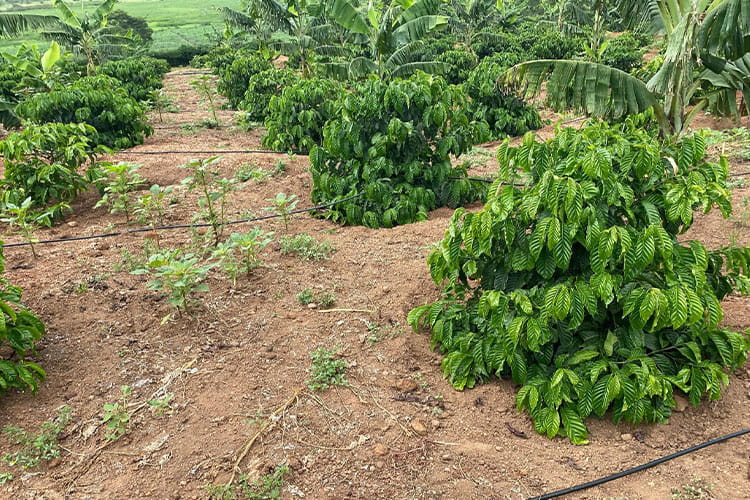
Drip irrigation: Delivering water directly to the root zone of crops to reduce unnecessary losses.
Rainwater harvesting: Collecting and storing rainwater for later use where feasible.
Water storage: Using appropriately sized tanks and reservoirs to improve the reliability of water supply.
Leak detection: Inspecting pipes, valves, and fittings to minimise water losses.
Efficient pumping: Selecting pumps that match the required flow rate, pressure, and water source.
Water scheduling: Planning irrigation according to crop needs, soil moisture, and weather conditions.
Combining these practices helps farmers improve water productivity while supporting the long-term sustainability of agricultural production.
Unpredictable rainfall and prolonged dry spells can affect planting schedules, crop development, and harvests. Farmers who depend entirely on rainfall are particularly exposed to these uncertainties.
Irrigation provides an opportunity to supplement rainfall when crops require additional water. It can help farmers maintain crop growth during dry periods, plan production more confidently, and explore additional growing seasons where soil, water, markets, and other conditions permit.
For farmers growing coffee, vegetables, fruits, and other high-value crops, a properly designed irrigation system can support more consistent water availability during critical growth stages.
However, irrigation is not a complete solution to climate-related agricultural challenges. Its effectiveness depends on the availability of sustainable water sources, suitable infrastructure, good agronomic practices, and responsible water use.
By combining irrigation with improved farming practices, farmers can strengthen their resilience and move towards more reliable, seasonless farming.
Agriculture is becoming increasingly data-driven, and irrigation is part of this transformation.
Digital monitoring tools can help farmers track water use, monitor system performance, and identify problems before they significantly affect production. More advanced systems can integrate soil moisture information, weather forecasts, and automated controls to guide irrigation decisions.
For commercial farms, agricultural projects, and large irrigation installations, monitoring can also help operators understand energy consumption, pumping performance, and water distribution.
As digital technologies become more accessible, data-driven irrigation will help farmers and project managers move from reactive maintenance and guesswork towards more informed decisions.
The opportunity lies in selecting technologies that address actual farm needs and are practical to operate and maintain over time.
Even the most advanced irrigation technology cannot deliver results without reliable water infrastructure.
Pumps, pipelines, storage tanks, filtration systems, valves, and distribution networks must work together to deliver water efficiently. In many agricultural and community water projects, the quality of system design and installation determines how reliably water reaches its intended users.
Solar-powered booster pumps, for example, can help increase pressure and move water through distribution networks where the hydraulic design requires it. Properly selected pumping systems can support water transfer, irrigation distribution, and other applications that require suitable flow and pressure.
Future water infrastructure will increasingly focus on energy efficiency, durability, ease of maintenance, and integration with modern monitoring technologies.
Regular servicing and access to trained technicians will also be important. Investing in a system is only part of the solution; maintaining it throughout its useful life is equally essential.
The future of irrigation and water management depends not only on equipment but also on the people who design, install, operate, and maintain these systems.
Farmers need practical knowledge to select suitable irrigation methods and manage water efficiently. Technicians need the skills to install systems correctly, troubleshoot faults, and carry out repairs. Engineers, policymakers, development organisations, financial institutions, and private-sector providers also have important roles to play in expanding access to sustainable water solutions.
Partnerships can help address barriers such as the initial cost of irrigation equipment, limited technical knowledge, and gaps in after-sales support.
Through training, knowledge sharing, financing opportunities, and collaboration across the sector, stakeholders can help make effective irrigation and water management solutions more accessible to farmers and communities.
As irrigation expands, responsible water management must remain central to agricultural development.
Water abstraction should be informed by the availability and sustainability of the source, applicable regulations, and the needs of other users and the surrounding environment. Efficient irrigation systems can reduce waste, but they must also be supported by responsible water sourcing and appropriate system management.
Future solutions should be designed around the realities of different users, from smallholder farmers to commercial agricultural enterprises and community water projects.
This means offering systems that are appropriately sized, affordable to operate, easy to maintain, and suited to local conditions. It also means helping users understand the full cost of ownership, including energy, maintenance, and repairs.
A sustainable approach ensures that irrigation contributes to agricultural growth without compromising the water resources that future generations will depend on.
At Sprinktech Limited, we believe reliable water access and efficient irrigation are essential to productive agriculture and sustainable development.
We provide water, irrigation, and energy solutions designed to meet the needs of farmers, businesses, institutions, and communities. Our solutions include irrigation systems, water pumps, solar-powered pumping solutions, boreholes, and related water infrastructure.
By supporting the adoption of appropriate technologies and reliable water systems, we aim to help customers improve water access, manage resources more efficiently, and strengthen agricultural productivity.
We also recognise the importance of technical expertise, proper installation, and after-sales support in ensuring that water systems continue to deliver value over time.
The future of irrigation requires collaboration, innovation, and practical solutions that respond to real-world challenges. Through engagement with industry stakeholders and continued investment in water and irrigation solutions, Sprinktech is committed to contributing to a future where farmers and communities can access reliable water systems and use water more responsibly.
The future of irrigation and water management in Uganda will be shaped by smart technologies, renewable energy, efficient water infrastructure, skilled professionals, and responsible resource management.
For farmers, investing in suitable irrigation solutions can create opportunities to reduce dependence on rainfall, improve production planning, and build resilience to changing weather conditions. For businesses and communities, efficient water systems can support reliable water access and sustainable development.
Achieving this future will require collaboration between farmers, technology providers, government institutions, development partners, and other stakeholders across the water and agricultural sectors.
The goal is not simply to pump more water, but to manage it better, use energy efficiently, and build systems that deliver lasting value.
Ready to explore irrigation and water management solutions for your farm or project?
Contact Sprinktech on +256 709 826632 to discuss your water pumping, irrigation, and solar energy requirements.



WhatsApp us