Experts Tip Smart Irrigation as a Solution to Changing Weather Patterns
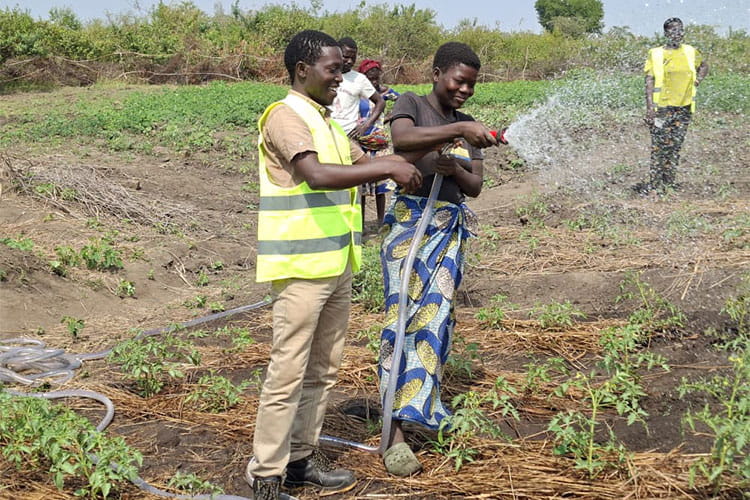
As unpredictable rainfall and prolonged dry spells threaten agricultural production, experts are urging Ugandan farmers to adopt smart irrigation technologies to improve yields, conserve water and build resilience to climate change.
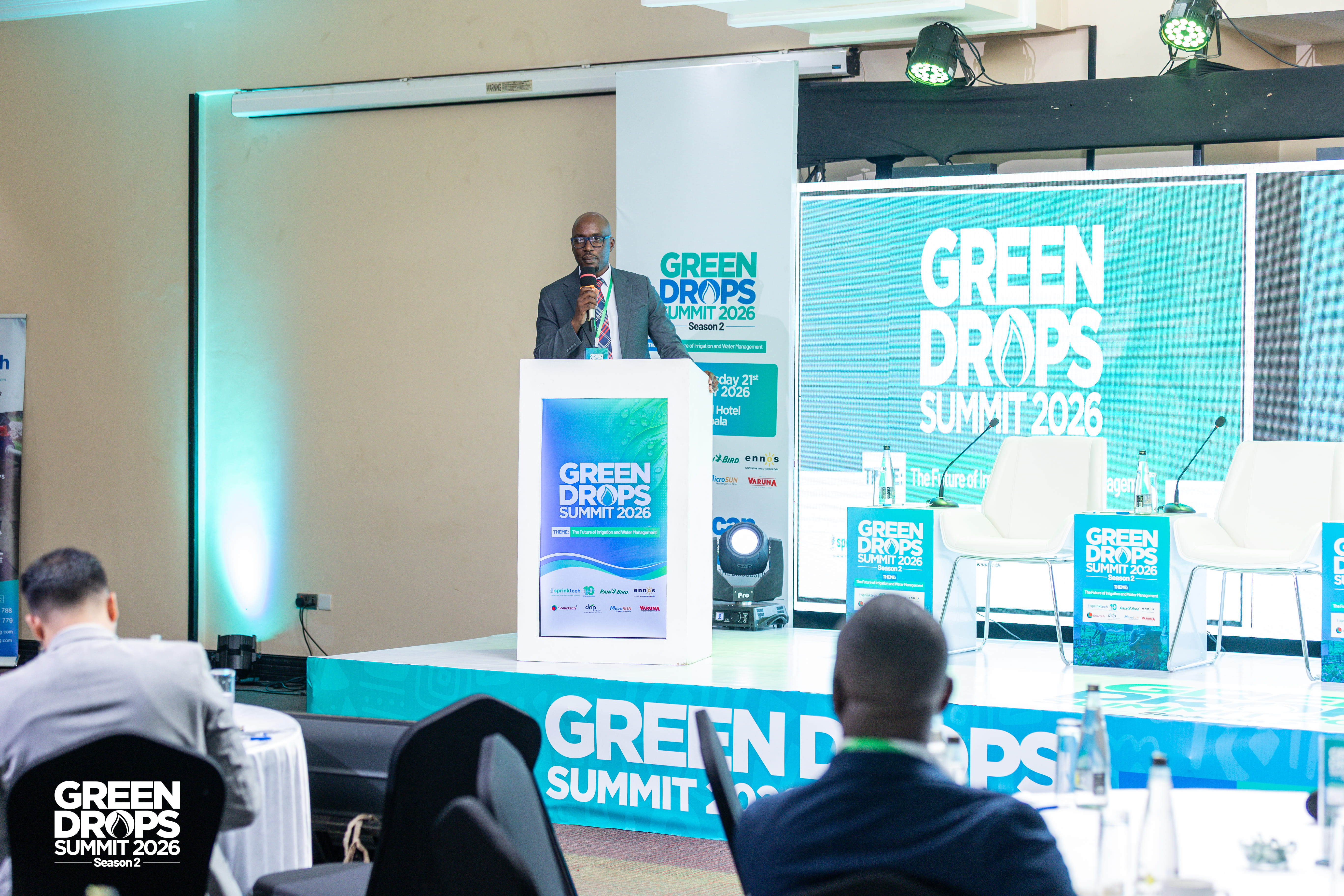
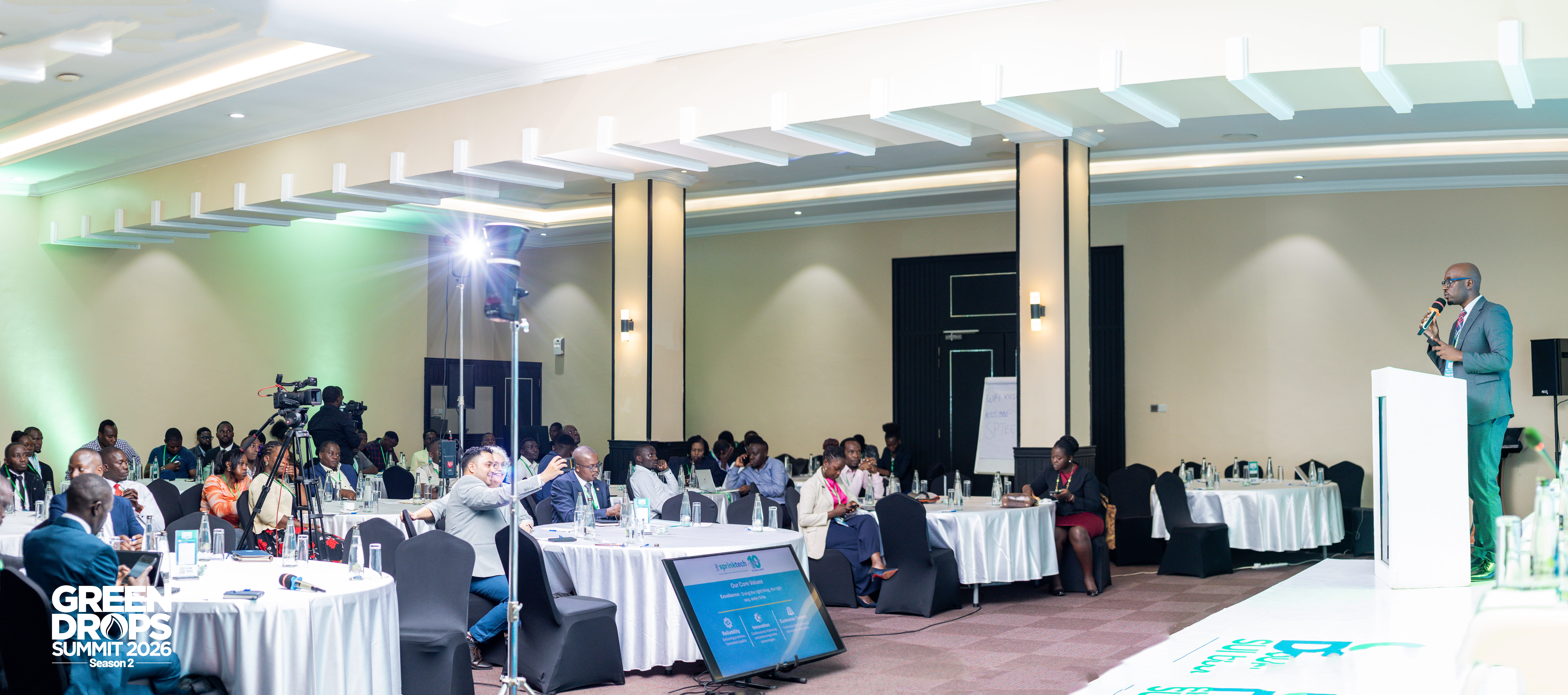
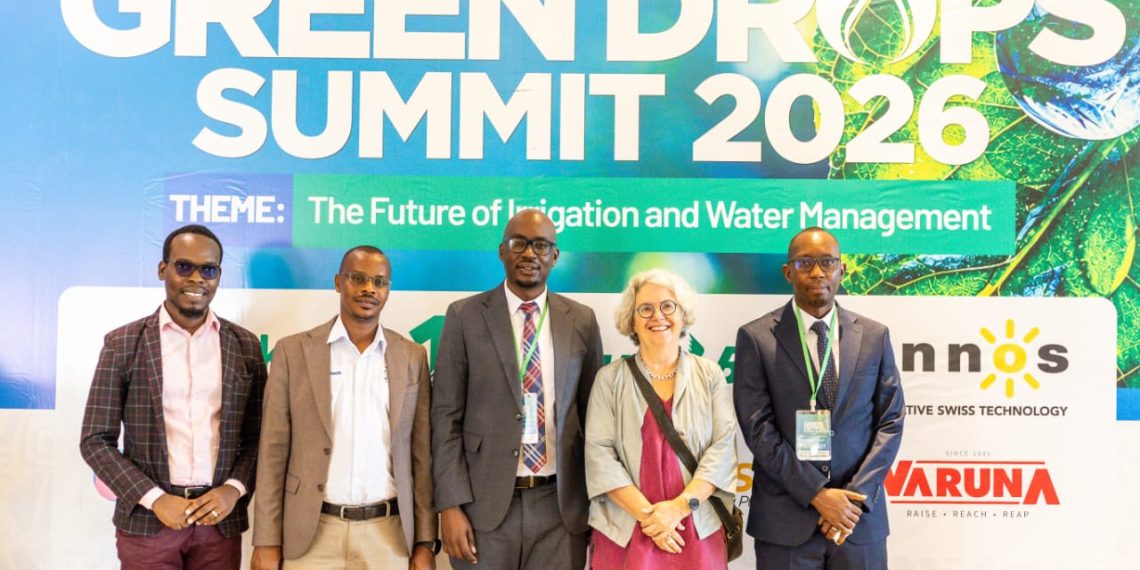
The recommendations were made during the second Green Drops Summit, organised by Sprinktech at Mestil Hotel Kampala . The event brought together irrigation specialists and industry stakeholders to discuss practical solutions to the challenges facing Uganda’s agricultural sector.
Sprinktech Chief Executive Officer Javan Mukundane said the company was established to promote irrigation as farmers increasingly face unreliable weather patterns.
“We realised that our farmers needed our services because, in the recent past, there have been prolonged droughts and unpredictable weather,” Mukundane said.
He noted that approximately 80% of Uganda’s population depends on agriculture, making reliable irrigation increasingly important for protecting livelihoods and maintaining food production.
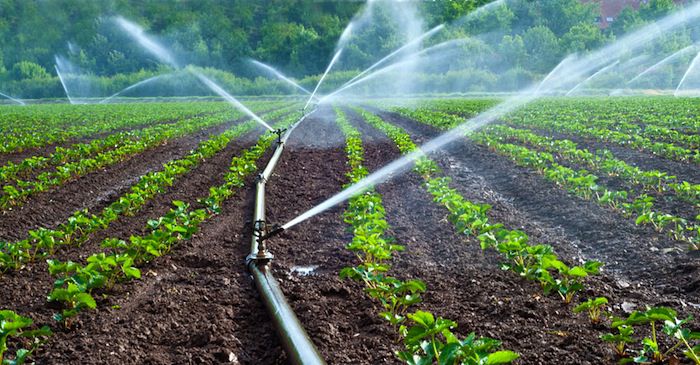
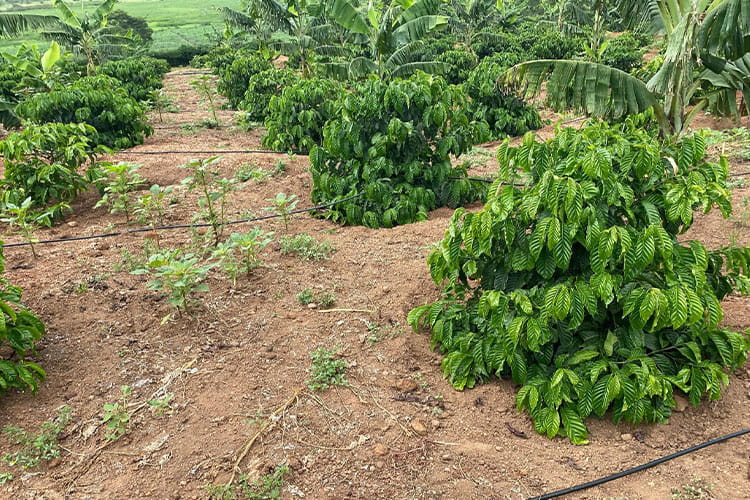
Mukundane explained that modern irrigation systems equipped with sensors, automated controls and remote monitoring allow farmers to regulate water application according to crop requirements. These technologies can reduce labour requirements and improve water-use efficiency.
Partnerships Drive Irrigation Innovation
Karin Jeannette, Chief Executive Officer of Swiss company ENNOS AG, highlighted the importance of partnerships in expanding access to efficient irrigation technologies.
“It is always a pleasure to partner with Sprinktech because together we deliver the best solutions for Ugandan farmers,” Jeannette said.
She also highlighted the development of a mobile application in Uganda designed to improve customer service and support irrigation system management.
Gaurav Sharma of Kirloskar Fluid Dynamics, which operates under the Varuna brand, discussed the potential of solar-powered water pumps to help farmers overcome unreliable electricity supplies, particularly in rural areas.
Solar irrigation provides an alternative to grid electricity and diesel-powered equipment. Depending on the system design and operating conditions, it can help reduce operating costs and enable farmers to irrigate crops when rainfall is insufficient.
These partnerships demonstrate the importance of combining suitable technology, technical expertise and customer support to improve access to irrigation solutions.
Sustainable Water Management
Engineer Dominic Banaga Mucunguzi, Assistant Commissioner for Water Resources Planning and Management at the Ministry of Water and Environment, emphasised that irrigation depends on reliable water sources and responsible water management.
“There is no agriculture without water, but irrigation demands a reliable and well-managed supply,” he said.
Mucunguzi identified several water-related challenges affecting farmers, including shortages during dry seasons, soil erosion caused by excessive water and poor water quality.
He stressed that appropriate technologies and careful planning are essential to addressing these challenges.
Irrigation should therefore be viewed as a long-term investment in agricultural productivity and environmental sustainability rather than simply an emergency response to drought.
Farmers must consider the availability of water sources, the suitability of irrigation equipment and the need to use water responsibly. Effective water management can help ensure that irrigation supports agricultural production without placing unnecessary pressure on available resources.
Technology Transforms Farming
Technical presentations at the Green Drops Summit showcased innovations designed to make irrigation more efficient and accessible.
One of the approaches discussed was Irrigation as a Service, which combines water pumps, Internet of Things (IoT) technology, automated controls and mobile monitoring to help farmers manage water consumption.
These systems can give farmers better visibility into irrigation operations and help them make more informed decisions about water use.
Participants also explored developments in irrigation controllers, including smart controllers and two-wire decoder systems that improve communication between irrigation equipment and control units.
Engineer Philly Tumuramye of Laserspray demonstrated laser irrigation technology, which uses perforated pipes to distribute water in a fine, rainfall-like spray at relatively low pressure.
Such technologies offer additional options for farmers seeking irrigation systems suited to their land, water availability and operational requirements.
Experts at the summit noted that rising labour costs, unreliable rainfall and inefficient water use are increasing the challenges faced by conventional farming methods.
They argued that expanding access to affordable irrigation technologies could help farmers address these challenges while improving water management and supporting more consistent agricultural production.
Smart Irrigation and the Future of Food Security in Uganda
The discussions at the second Green Drops Summit highlighted the growing importance of smart irrigation, solar-powered pumping and sustainable water management in strengthening Uganda’s agricultural sector.
For farmers who depend heavily on rainfall, suitable irrigation systems can provide supplementary water during dry periods and create opportunities for more reliable production. However, successful implementation depends on appropriate system design, dependable water sources, access to technical support and responsible water use.
Solar-powered pumps, automated controllers, monitoring technologies and alternative irrigation methods can all contribute to more efficient agricultural water management when selected according to farmers’ actual needs.
The summit also demonstrated the value of collaboration between irrigation companies, technology providers, government institutions and other stakeholders in making these solutions more accessible.
As Uganda continues to experience changing weather patterns, investment in affordable and appropriate irrigation technologies will remain important to supporting farmers’ incomes, strengthening food security and building a more resilient agricultural sector.
Source acknowledgement: This article is based on reporting by Aloysious Kasoma for New Vision on the second Green Drops Summit organised by Sprinktech.