Discover Smarter Water Management for Better Harvests
Water is one of the most valuable resources on any farm. But having access to water is only part of the solution. How that water is managed, distributed, and applied can have a major impact on crop growth, farm productivity, and the quality of the harvest.
For farmers dealing with changing rainfall patterns and dry periods, smarter water management can help create more reliable growing conditions and make better use of available water.
What Does Smart Water Management Mean?
Smart water management is about using water efficiently and giving crops what they need, when they need it.
It involves understanding the farm’s water source, crop requirements, soil conditions, irrigation method, and water distribution system. Rather than simply applying more water, the focus is on reducing waste and improving how every drop reaches the crop.
This is where a well-designed irrigation system can make a significant difference.
1. Give Crops Water When They Need It
Crops do not require the same amount of water throughout their growth cycle.
Seedlings, vegetables, fruit trees, cereals, and other crops have different water requirements. Even the same crop can require different amounts of water during germination, vegetative growth, flowering, and fruit development.
Understanding these requirements allows farmers to plan irrigation more effectively and avoid both under-watering and over-watering.
2. Reduce Water Losses
Water can easily be lost before it reaches the crop through evaporation, runoff, leaking pipes, or inefficient application.
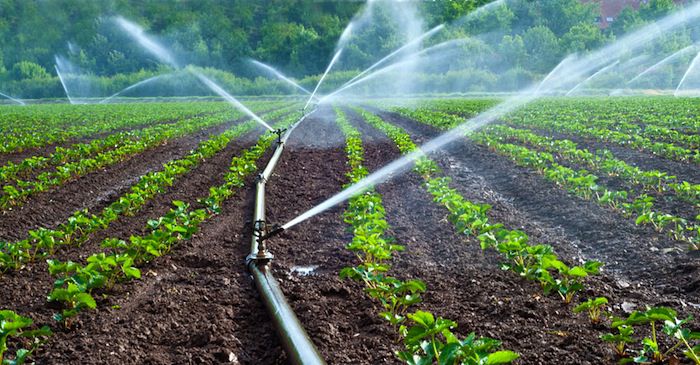
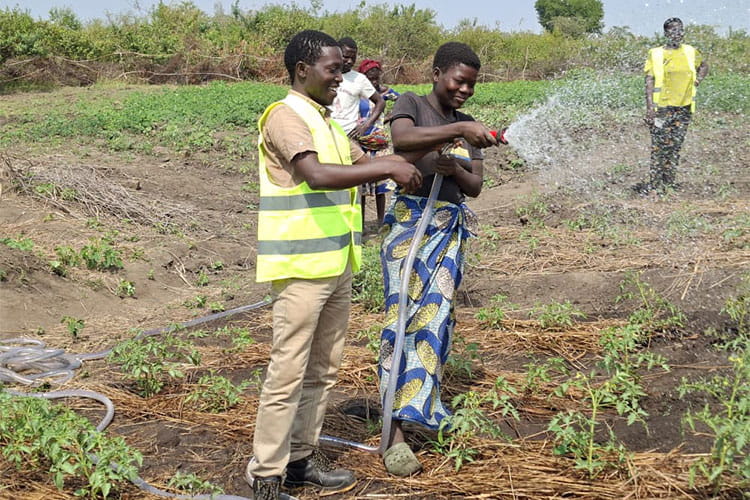
Irrigation systems such as drip and sprinkler systems can help farmers control where and how water is applied.
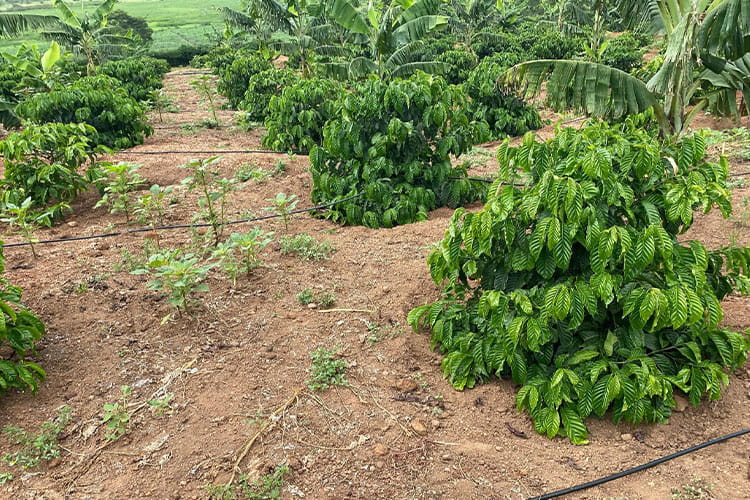
For example, drip irrigation delivers water closer to the plant root zone, while sprinkler systems distribute water across a defined area. Choosing the right system depends on the crop, farm layout, soil, water source, and production goals.
3. Make Better Use of Available Water Sources
Farmers may obtain water from different sources, including boreholes, surface water, harvested rainwater, reservoirs, and other sources.
The challenge is getting that water from the source to the field efficiently.
Solar-powered and other pumping solutions can support farms where reliable water pumping is required. When combined with suitable storage and irrigation infrastructure, these systems can help farmers make better use of available water resources.
4. Protect Soil While Managing Water
Good irrigation is not only about the amount of water applied. It is also about protecting the soil.
Excessive watering can contribute to runoff, erosion, nutrient loss, and waterlogging. Too little water can cause moisture stress and affect plant development.
A properly planned irrigation system can help maintain more consistent soil moisture while reducing unnecessary water application.
Farmers should also consider soil type because sandy, loamy, and clay soils hold and release water differently.
5. Better Water Management Can Support Better Crop Quality
Water stress at critical stages of crop development can affect plant growth and produce quality.
For farmers growing vegetables, fruits, coffee, and other commercial crops, maintaining adequate moisture can support more uniform crop development.
This is particularly important where farmers are targeting consistent production for markets that demand reliable quality.
6. Technology Is Changing Farm Water Management
Agriculture is becoming increasingly data-driven, and water management is part of that change.
Farmers can use technologies such as:
- Irrigation pumps
- Drip and sprinkler systems
- Water storage tanks
- Filtration systems
- Timers and controllers
Flow meters - Soil moisture sensors
- Automated irrigation systems
- Solar-powered pumping systems
These technologies can help farmers improve control over water distribution and reduce unnecessary water use.
However, technology alone is not enough. The system must be properly designed for the farm and correctly installed, operated, and maintained.
7. Regular Maintenance Keeps Water Moving
Even a well-designed irrigation system can become less effective without proper maintenance.
Blocked emitters, damaged pipes, leaking connections, worn pump components, and dirty filters can affect water flow and distribution.
Farmers should regularly inspect their irrigation systems and address problems early. Routine maintenance can help extend equipment life and keep water delivery consistent.
8. Smart Water Management Supports Farming Beyond the Rainy Season
Rainfall remains an important source of agricultural water, but farmers do not always have control over when or how much rain arrives.
Having a planned water supply and irrigation system can give farmers greater control over crop water availability during dry periods.
This does not mean replacing rainfall completely. Instead, irrigation can complement rainfall and help farmers manage periods when natural precipitation is insufficient.
The Right Water Solution Starts with the Farm
Every farm is different.
A small vegetable farm may require a different irrigation approach from a large commercial farm. A coffee plantation may have different water requirements from a greenhouse or horticultural farm.
Before installing an irrigation system, farmers should consider the crop, farm size, water source, available water volume, terrain, soil type, energy source, and expected water demand.
At Sprinktech, water and irrigation solutions are approached with these practical farm requirements in mind, from water pumping and solar-powered systems to irrigation solutions designed to support productive agriculture.
The objective is simple: help farmers use available water more efficiently and create reliable water access for their crops.
Every Drop Counts
Efficient water management is not about using more water. It is about using the water you have more effectively.
With the right planning, appropriate irrigation technology, efficient water pumping, and regular system maintenance, farmers can reduce water losses, support healthier crops, improve production consistency, and make their farms more resilient to changing water availability.
Because on a productive farm, every drop should count.
Are You Looking for the Right Irrigation or Water Pumping Solution for Your Farm?
Contact Sprinktech today on +256 709 826632 about your farm’s water source, crops, and irrigation requirements and explore a solution suited to your needs.