

Changing weather patterns are creating new challenges for farmers across Uganda. Unpredictable rainfall, prolonged dry spells, and shifting rainy seasons can affect crop growth, reduce harvests, and make agricultural production less reliable. For farmers who depend on rain-fed agriculture, finding ways to manage water efficiently has become increasingly important.
Irrigation in Uganda offers a practical solution to changing weather patterns by helping farmers control water supply, protect crops during dry spells, and improve agricultural productivity. With the right irrigation system, farmers can reduce their dependence on rainfall and plan their farming activities with greater confidence.
At Sprinktech, we provide water management, irrigation, and solar-powered pumping solutions designed to help farmers make better use of available water and support productive, sustainable agriculture.
Rainfall is essential for agriculture, but relying entirely on seasonal rains can expose farmers to significant production risks. When rains arrive late, stop earlier than expected, or become irregular, crops may not receive enough water to grow properly.
Installing a suitable irrigation system allows farmers to supplement rainfall when necessary. Instead of waiting for the next rainy season, farmers can supply water according to crop requirements and the availability of their water source.
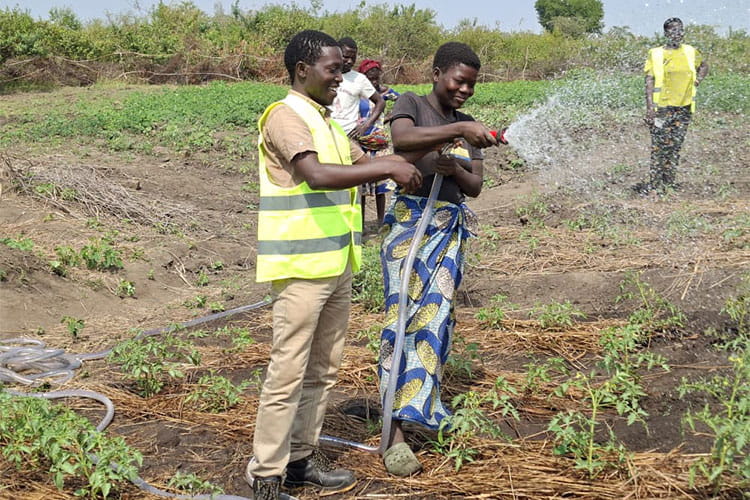
For coffee farmers, vegetable growers, fruit producers, and commercial agricultural enterprises, irrigation can help maintain soil moisture during dry periods and support crop development.
How irrigation helps: It gives farmers greater control over water application and reduces their dependence on unpredictable rainfall.
Prolonged dry spells can affect flowering, fruit development, and crop yields. Water stress during critical growth stages may reduce both the quantity and quality of agricultural produce.
A properly designed irrigation system helps farmers provide water when crops need it most. This is particularly valuable for high-value crops such as coffee, tomatoes, onions, vegetables, and fruits.
Farmers can choose from different irrigation systems depending on crop type, soil conditions, farm size, water availability, and budget.
Drip irrigation: Delivers water close to plant roots, helping reduce water losses when correctly designed and managed.
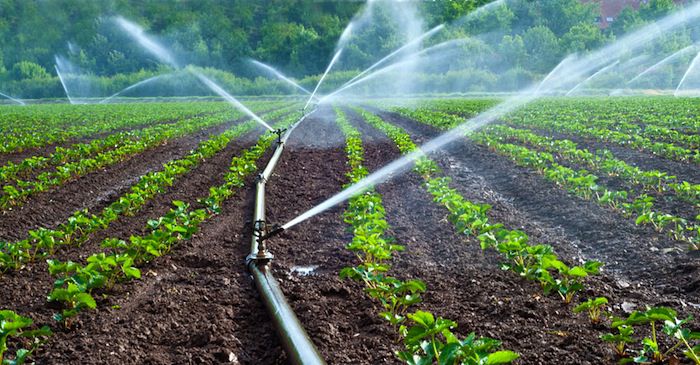
Sprinkler irrigation: Distributes water over a designated area and can serve a range of crops and field layouts.
Solar-powered irrigation: Uses solar energy to pump water, potentially reducing dependence on grid electricity or fuel where conditions are suitable.
Choosing the right irrigation equipment can help farmers manage dry periods more effectively while making responsible use of available water.
Many farmers traditionally schedule planting around Uganda’s rainy seasons. However, irregular rainfall can disrupt planting calendars and create uncertainty about when crops will receive sufficient water.
With a reliable water source and a suitable irrigation system, farmers can supplement rainfall and explore production during drier months. This can create opportunities to grow vegetables, fruits, and other crops beyond the main rainy seasons, depending on market demand and growing conditions.
Year-round farming can also help farmers plan labour, manage agricultural inputs, and schedule harvesting more effectively.
For agribusinesses supplying produce to retailers, processors, and other buyers, improved production planning can support more consistent market supply.
However, successful year-round farming requires more than irrigation alone. Farmers should also consider soil fertility, pest and disease management, suitable crop varieties, production costs, and access to markets.
As weather patterns change, efficient water management becomes increasingly important. Farmers need irrigation systems that deliver the right amount of water to crops while minimising unnecessary losses.
Modern irrigation technology can help farmers improve how they use available water.
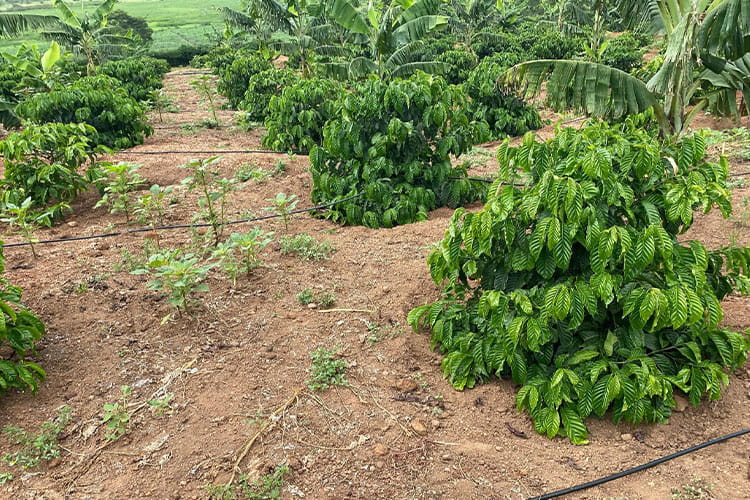
Drip irrigation supplies water directly to the root zone through a network of pipes and emitters. It is particularly useful for crops planted in rows, including vegetables, fruits, and some coffee production systems.
When properly designed and maintained, drip irrigation can help reduce evaporation and runoff compared with less targeted watering methods.
Sprinkler systems distribute water through pipes and sprinklers to cover a designated crop area. They can be suitable for various agricultural applications, depending on water pressure, soil type, crop requirements, and field conditions.
Solar water pumps use energy from solar panels to pump water from a suitable source. They can be useful for farms located in areas with limited access to electricity, provided the water source, pumping requirements, and solar system are appropriately assessed.
Timers, soil-moisture sensors, and other irrigation controls can help farmers schedule watering based on crop needs and field conditions. These tools can reduce unnecessary irrigation and improve water management when correctly configured.
The best solution depends on the farm’s water requirements, available resources, and long-term operating costs.
Coffee is an important agricultural crop in Uganda, and changing rainfall patterns can create challenges for coffee growers. Water availability influences coffee plant growth, flowering, fruit development, and overall plant health.
During prolonged dry periods, suitable irrigation can help farmers supplement rainfall and maintain more consistent soil moisture. This is especially important where water stress threatens crop development.
Coffee farmers can consider drip irrigation, micro-sprinklers, or other suitable irrigation methods based on their plantation layout, soil conditions, water supply, and production objectives.
Combining irrigation with mulching, soil conservation, appropriate pruning, and good agronomic practices can further support coffee farm management.
For farmers seeking to improve the reliability of their coffee production, investing in a professionally assessed irrigation system can be an important step towards adapting to changing weather conditions.
Unreliable rainfall can lead to lower yields, crop losses, and uncertain farm income. Although irrigation cannot eliminate every agricultural risk, it can help farmers manage water availability more effectively.
By supplying water when rainfall is insufficient, irrigation can support crop growth and reduce the likelihood of water stress during critical development stages.
Reliable water management may also help farmers plan production cycles, use agricultural inputs more effectively, and explore opportunities to supply markets during periods when production is limited.
The financial benefits depend on several factors, including the initial cost of the irrigation system, maintenance, energy requirements, crop prices, yields, and market access.
Before investing, farmers should evaluate the expected costs and benefits to determine whether a particular irrigation solution is suitable for their farm.
Irrigation is most effective when combined with other sustainable farming practices. Climate-smart agriculture encourages farmers to improve productivity, adapt to changing climate conditions, and manage natural resources responsibly.
Farmers can strengthen their irrigation strategies by adopting the following practices:
Mulching: Helps conserve soil moisture and reduce evaporation.
Rainwater harvesting: Stores available rainwater for appropriate agricultural uses.
Soil conservation: Helps protect soil structure and reduce erosion.
Efficient water scheduling: Matches irrigation to crop requirements and soil moisture conditions.
Regular system maintenance: Keeps pipes, filters, pumps, and emitters functioning properly.
Sustainable water sourcing: Ensures that water abstraction considers seasonal availability and the needs of other users.
These practices can help farmers use available resources more effectively and improve their ability to respond to changing weather patterns.
Selecting the best irrigation system requires careful assessment. A system that works well for a small vegetable garden may not be suitable for a large coffee plantation or commercial farm.
Before purchasing irrigation equipment, consider the following factors:
Type of crop: Different crops have different water requirements and irrigation needs.
Farm size: The area to be irrigated affects system design, equipment capacity, and installation costs.
Water source: Assess the reliability, seasonal availability, and sustainable yield of your water source.
Water requirements: Determine the amount of water needed and when crops require it.
Energy supply: Compare suitable solar, grid-powered, or fuel-powered pumping options.
Budget and maintenance: Consider installation, operating costs, spare parts, servicing, and the availability of technical support.
Professional irrigation assessment helps farmers identify suitable equipment and avoid investing in systems that do not match their requirements.
At Sprinktech, we understand that access to reliable water is essential for productive agriculture. We support farmers and agribusinesses with irrigation systems, water pumps, solar-powered pumping solutions, and water management equipment suited to different agricultural needs.
Whether you are growing coffee, vegetables, fruits, or other crops, our team can help you explore irrigation options based on your farm’s requirements.
With the right irrigation system and responsible water management practices, you can reduce reliance on rainfall, prepare for dry spells, and build a more resilient farming operation.
Contact Sprinktech on +256 709 826632 for guidance on selecting an irrigation solution for your farm.
Irrigation helps farmers adapt to changing climate conditions by supplementing rainfall during dry spells, improving control over water supply, and supporting crop production when rain is insufficient. Its effectiveness depends on reliable water sources and appropriate system management.
The best irrigation system depends on crop type, farm size, soil conditions, water availability, and budget. Drip irrigation is often suitable for targeted watering of vegetables and some coffee systems, while sprinklers can serve a variety of crops. Solar-powered pumps can provide water where suitable water sources and solar conditions are available.
Yes. Irrigation can allow farmers to supplement rainfall during drier months and extend production beyond traditional rainy seasons. However, successful year-round farming also depends on crop suitability, soil fertility, pests and diseases, production costs, and market demand.
Solar-powered irrigation can be suitable for smallholder farmers when the water source, pumping capacity, energy requirements, and cost are appropriate. Farmers should assess the system’s total cost and water needs before making an investment.
Farmers can conserve water by choosing an appropriate irrigation method, scheduling irrigation according to crop needs, maintaining equipment, using mulch, monitoring soil moisture, and sourcing water sustainably.



WhatsApp us