How Borehole Water Supply Systems Support Rural Communities
Access to reliable and safe water is essential for healthy, productive and resilient rural communities. Yet many communities in rural areas continue to face challenges caused by seasonal water shortages, long distances to water sources and unreliable surface water supplies.
Borehole water supply systems provide a practical and dependable solution by accessing groundwater and delivering it to homes, schools, health centres, farms and other community facilities. With the right design, installation and maintenance, boreholes can transform how rural communities access and use water.
What Is a Borehole Water Supply System?
A borehole water supply system is a water infrastructure solution that extracts groundwater from an underground aquifer through a drilled borehole. Water is pumped to the surface using equipment such as a submersible pump, where it can then be stored in tanks and distributed to different points of use.
Depending on the community’s needs and available resources, a borehole system can be powered by electricity, solar energy or a fuel-powered generator.
1. Provides Reliable Access to Water
One of the biggest benefits of borehole systems is their ability to provide a more reliable source of water throughout the year.
Unlike some rivers, ponds and shallow wells that may dry up or become difficult to use during prolonged dry seasons, properly developed groundwater sources can provide a consistent supply. This can help rural households reduce the time and effort spent searching for water.
Reliable water access is particularly important for communities that depend on agriculture and livestock for their livelihoods.
2. Supports Agriculture and Irrigation
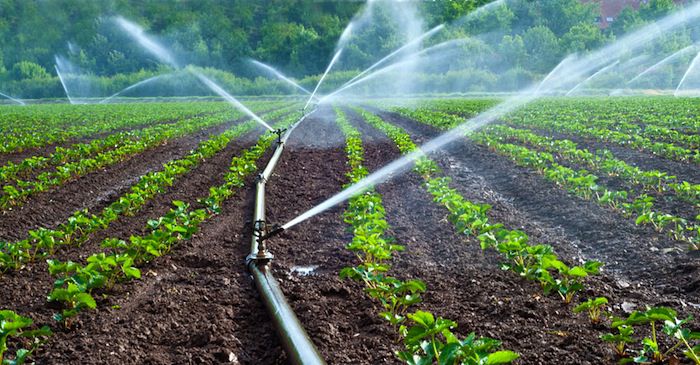
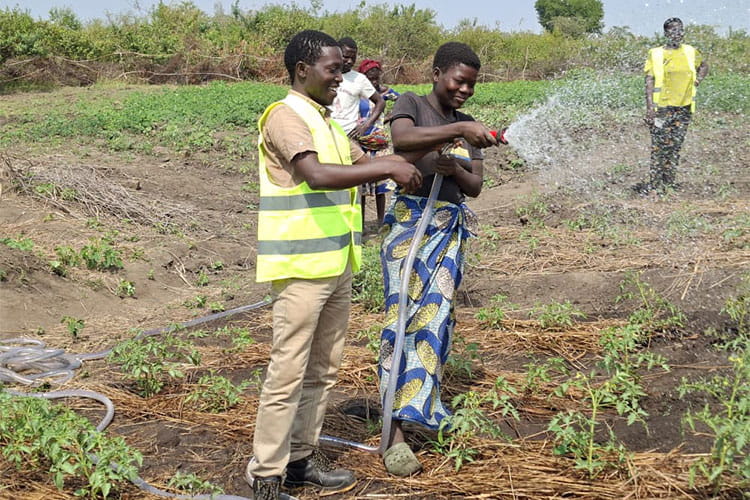
Water availability is one of the most important factors in agricultural productivity. Borehole water can be used to support irrigation systems, allowing farmers to grow crops beyond the limitations of seasonal rainfall.
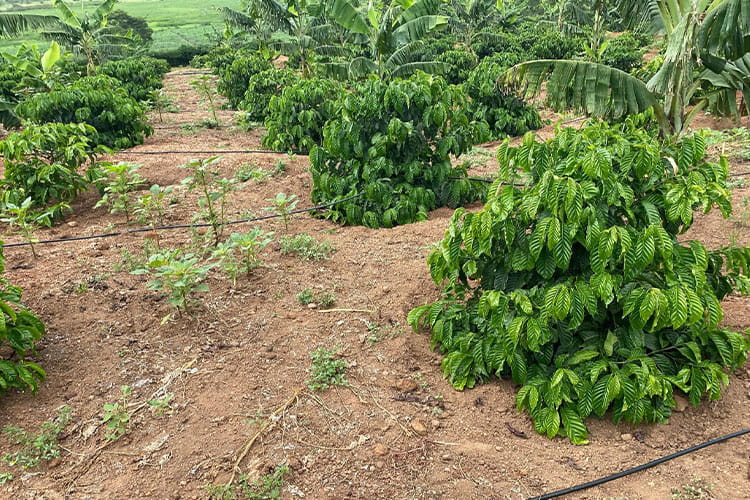
With appropriate pumping and irrigation equipment, groundwater can supply systems such as drip irrigation, sprinklers and other efficient irrigation technologies.
This enables farmers to:
• Produce crops during dry periods
• Increase the number of growing seasons
• Reduce dependence on unpredictable rainfall
• Improve crop quality and yields
• Support higher-value crops
• Build more predictable farming businesses
For rural communities, reliable irrigation can contribute significantly to household incomes and food security.
3. Improves Access to Safe Water
Properly constructed and protected boreholes can provide access to groundwater that is less exposed to some forms of surface contamination than open water sources.
However, groundwater quality can vary from one location to another. Water testing and appropriate treatment are therefore essential before water is used for drinking or other sensitive purposes.
A professionally designed borehole water supply system can include filtration, treatment, storage tanks and distribution infrastructure to help provide water that meets the required quality standards.
4. Supports Schools and Health Centres
Reliable water is particularly important in schools and healthcare facilities.
Schools need water for drinking, sanitation, cleaning and hygiene. Health centres require dependable water supplies for cleaning, handwashing, sanitation and other essential activities.
A borehole system can help these institutions maintain access to water even when other sources become unreliable.
For rural communities, improving water availability at schools and health facilities can contribute to better learning environments, hygiene and community wellbeing.
5. Saves Time and Reduces the Burden of Water Collection
In communities without nearby water sources, families may spend hours every day collecting water. This burden can particularly affect women and children.
Bringing water closer to homes and community facilities through a borehole supply system can significantly reduce the time spent travelling to distant water sources.
The time saved can instead be used for:
• Education
• Farming and livestock activities
• Small businesses
• Household responsibilities
• Community development activities
Reliable local water access can therefore have benefits that extend far beyond simply providing water.
6. Supports Livestock Farming
Water is also essential for livestock production. Farmers need dependable water for cattle, goats, sheep, poultry and other animals.
A borehole system can supply dedicated livestock watering points, helping farmers maintain access to water during dry periods.
For communities that rely on livestock as a source of food and income, this can strengthen resilience during periods of water scarcity.
7. Can Be Powered by Solar Energy
One of the major developments in rural water supply is the use of solar-powered water pumping systems.
Solar pumping can be particularly useful in areas where access to the electricity grid is limited or where fuel costs make conventional pumping expensive.
A solar-powered borehole system typically uses solar panels to generate electricity, which powers a water pump. Water can then be pumped into elevated storage tanks for distribution.
This approach can help reduce dependence on fuel and grid electricity while providing a sustainable option for communities with suitable solar conditions.
8. Supports Rural Economic Development
Water availability has a direct connection to economic activity.
When communities have dependable water, farmers can expand production, livestock keepers can improve animal management, and small businesses that depend on water can operate more consistently.
Borehole systems can therefore become part of a wider rural development strategy by supporting:
• Commercial agriculture
• Livestock production
• Small-scale enterprises
• Food processing
• Community institutions
• Employment and income generation
Reliable water infrastructure creates an environment where communities can make better use of other investments in agriculture and business.
9. Builds Resilience Against Water Shortages
Climate variability and changing rainfall patterns can make it increasingly difficult for communities to depend entirely on rainwater and seasonal surface sources.
Borehole water systems provide an alternative source that can help communities prepare for periods of drought and water scarcity.
When combined with water storage, efficient irrigation and responsible groundwater management, boreholes can form an important part of a community’s long-term water security strategy.
What Should Be Considered Before Installing a Borehole?
A successful borehole project requires more than simply drilling a hole and installing a pump. Several factors should be assessed, including:
Hydrogeological assessment: This helps identify suitable locations and improve the chances of finding a productive groundwater source.
Water quality testing: Groundwater should be tested to determine whether treatment is required and whether it is suitable for its intended use.
Pump sizing: The pump should be selected according to the borehole yield, required water volume, pumping depth and intended application.
Storage capacity: Water tanks can provide a buffer between pumping and consumption, ensuring water remains available when demand increases or pumping is not taking place.
Energy source: Electricity, solar and generator-powered systems can be considered depending on location, availability and operating costs.
Maintenance: Regular inspection and maintenance of pumps, control systems, tanks and other components help extend the lifespan of the system.
How Sprinktech Can Help
At Sprinktech, we understand that every community has different water requirements. A reliable water supply system begins with understanding the water source, the required water volume and how the water will be used.
Sprinktech provides solutions for borehole water supply, water pumping, solar-powered pumping, water storage and irrigation, helping farmers, institutions and communities develop dependable water systems.
From selecting appropriate pumping equipment to designing practical water distribution solutions, professional planning can make the difference between a system that simply supplies water and one that provides reliable value for years to come.
Conclusion
Borehole water supply systems can play a major role in transforming rural communities. They provide reliable water for households, agriculture, livestock, schools, health facilities and businesses while helping communities become more resilient to seasonal water shortages.
When properly assessed, designed, installed and maintained, a borehole can be more than a water source. It can become an important foundation for health, food security, agricultural productivity and rural economic development.
For communities looking to improve their water supply or farmers seeking a reliable source for irrigation, investing in the right borehole and pumping solution can be an important step towards a more productive and water-secure future.
Looking for a Reliable Borehole Water Supply or Pumping Solution?
Contact Sprinktech today to discuss your water needs and find a solution suited to your project