How to Reduce Irrigation Costs with Solar Energy
For many farmers, irrigation is essential for maintaining consistent crop production, especially during dry seasons. However, the cost of running irrigation systems can become a major challenge when farmers depend on diesel or petrol-powered pumps.
Solar-powered irrigation offers a smarter and more sustainable alternative.
By using energy from the sun to pump water, farmers can significantly reduce recurring energy costs while maintaining reliable irrigation for their farms.
At Sprinktech, we help farmers adopt irrigation solutions that combine solar energy, efficient water pumping and modern irrigation technology to support productive, cost-effective farming.
Why Are Irrigation Costs High?
Traditional irrigation systems often rely on fuel-powered pumps. While these pumps can provide reliable water pumping, their operating costs can increase significantly due to:
- Rising fuel prices
- Frequent fuel purchases
- Engine servicing and maintenance
- Transportation of fuel to farms
- Unpredictable fuel availability
- High operating costs over time
For farmers irrigating regularly, these expenses can have a direct impact on profitability.
How Solar Energy Reduces Irrigation Costs
Reduce Fuel Expenses
One of the biggest advantages of solar irrigation is eliminating or greatly reducing the need for petrol or diesel to operate the water pump.
Once a solar irrigation system is installed, sunlight provides the energy required to pump water. This means farmers can reduce their daily fuel expenditure and redirect those savings towards other farm inputs such as seeds, fertilizers, labour and crop protection.
Lower Operating Costs
Solar energy is freely available. Although installing a solar irrigation system requires an initial investment, the ongoing energy cost is much lower compared with continuously purchasing fuel.
For farmers who irrigate frequently, the savings can accumulate over time, making solar irrigation a cost-effective long-term solution.
Reduce Pumping and Maintenance Expenses
Modern solar pumping systems have fewer moving components than many conventional fuel-powered systems. With the right system design, farmers can reduce some of the maintenance associated with fuel-powered engines.
Regular inspection and proper maintenance of the solar panels, pump, pipes and irrigation equipment will help keep the system operating efficiently.
Use Energy During the Day
Solar-powered irrigation makes it possible to pump water during periods of strong sunlight. Farmers can pump water into storage tanks or reservoirs and use the stored water when needed.
This approach can improve water availability while allowing farmers to make better use of the available solar energy.
Combine Solar Pumping with Efficient Irrigation
Reducing irrigation costs is not only about the source of energy. How efficiently water is delivered to the crops also matters.
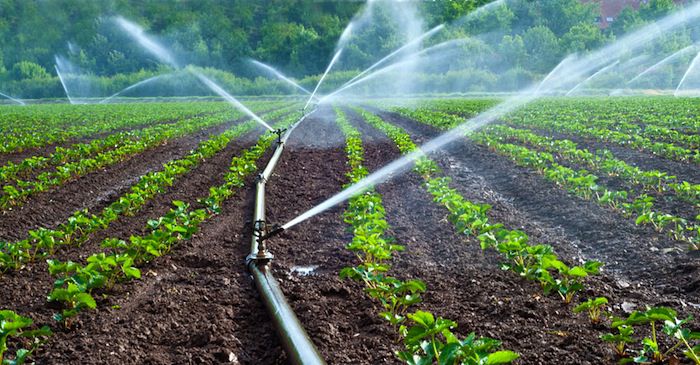
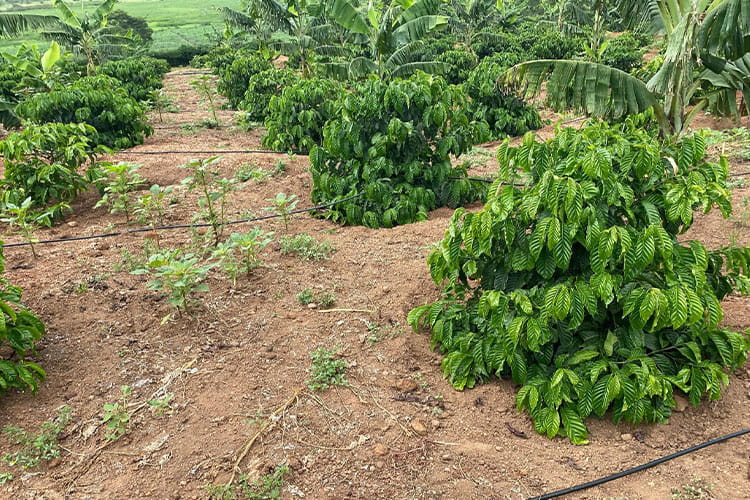
Technologies such as drip irrigation, sprinklers and other efficient irrigation systems can help deliver water where it is needed while reducing unnecessary water losses.
A solar pump combined with an efficient irrigation system can therefore reduce both energy costs and water wastage.
Choose the Right Solar Irrigation System
Not every farm requires the same solar irrigation system. The right solution depends on factors such as:
- Size of the farm
- Water source
- Depth of the water source
- Required water volume
- Distance between the water source and farm
- Crop type
- Irrigation method
- Available sunlight
- Elevation and pumping requirements
A professional assessment before installation helps ensure that the pump, solar panels, pipes and irrigation equipment are properly sized.
An incorrectly sized system can result in poor water delivery, unnecessary costs or reduced system performance.
Solar Irrigation Can Make Farming More Predictable
One of the major benefits of solar-powered irrigation is greater control over irrigation costs.
Instead of constantly budgeting for fuel, farmers can invest in a system that uses an abundant renewable energy source. This can make irrigation expenses more predictable and help farmers plan their production more effectively.
For commercial farmers, this can be particularly important because irrigation is often required throughout multiple production cycles.
Take Advantage of Solar Irrigation Opportunities
Farmers interested in transitioning to solar-powered irrigation should also explore available financing and support programmes that can make the initial investment more affordable.
For example, UECCC-supported programmes may provide opportunities for eligible farmers to access financing or subsidies for renewable-energy solutions, depending on the programme requirements and current availability.
Farmers should seek professional guidance to understand eligibility, system requirements and the application process.
Why Choose Sprinktech for Solar Irrigation?
At Sprinktech, we understand that every farm has different water and irrigation requirements.
Our team can help farmers assess their water source, determine their pumping requirements and recommend an appropriate solar-powered irrigation solution.
Our goal is not simply to install a solar pump. We aim to provide an integrated solution that helps farmers:
Pump water efficiently → Irrigate effectively → Reduce operating costs → Improve farm productivity.
Looking Forward
The cost of irrigation can significantly affect farm profitability, but farmers do not have to depend entirely on expensive fuel-powered pumping systems.
By adopting solar-powered water pumping and efficient irrigation technologies, farmers can reduce fuel expenses, lower operating costs, improve water management and build more sustainable farming systems.
Solar irrigation is more than an alternative source of energy—it is an investment in more predictable, efficient and sustainable farming.
Ready to Reduce Your Irrigation Costs?
Contact Sprinktech about the right solar-powered irrigation solution for your farm.