A Farmer’s Guide to Reliable Irrigation
Agriculture in Uganda is increasingly challenged by unpredictable rainfall, prolonged dry spells, and rising production costs. For many farmers, relying solely on rain-fed farming is no longer enough to achieve consistent yields and sustainable income. One solution that is transforming agriculture across the country is the use of solar water pumping systems.
Powered by the sun, these systems provide a reliable, cost-effective, and environmentally friendly way to access water for irrigation, livestock, and domestic use. Whether you are a smallholder farmer or managing a large commercial farm, understanding how solar water pumping systems work can help you make informed investment decisions.
What Is a Solar Water Pumping System?
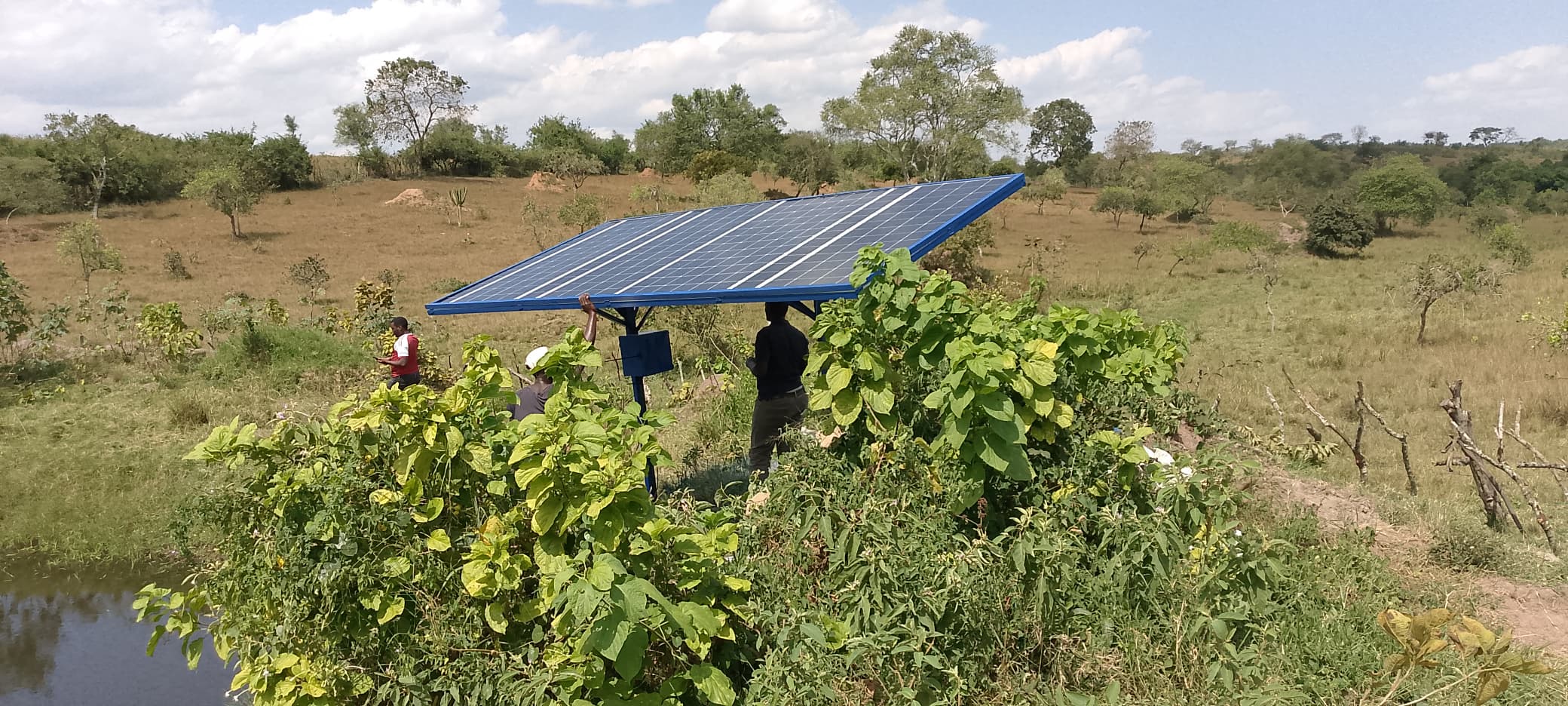
A solar water pumping system uses energy from solar panels to power a water pump that lifts water from a borehole, river, dam, lake, or storage tank. Unlike diesel or petrol pumps, solar pumps operate without fuel, making them an economical long-term solution.
The system automatically pumps water whenever there is sufficient sunlight, reducing dependence on unreliable electricity and expensive fuel. This enables farmers to irrigate crops consistently while lowering operating costs and improving agricultural productivity.
Main Components of a Solar Water Pumping System
A complete solar water pumping system consists of several key components that work together efficiently to deliver a reliable supply of water for farming operations.
Solar Panels
Solar photovoltaic (PV) panels capture sunlight and convert it into electricity that powers the pump. The number and size of panels depend on the required water output, pumping depth, and daily water demand.
Properly sized solar panels ensure the system generates enough energy to provide consistent water throughout the day.
Solar Water Pump
The pump is responsible for moving water from the source to the storage tank or irrigation network. Depending on the application, farmers can choose between:
- Surface pumps for rivers, lakes, ponds, and shallow wells
- Submersible pumps for deep boreholes and wells
Selecting the right pump depends on the water source, pumping depth, and irrigation requirements.
Pump Controller
The controller regulates power from the solar panels and protects the pump against voltage fluctuations, dry running, and overload conditions.
This component helps improve system reliability while extending the lifespan of the pumping equipment.
Water Storage Tank
Instead of storing electricity in batteries, most agricultural systems store water in elevated tanks. Water collected during the day can then be used for irrigation whenever needed, including early mornings and evenings.
Water storage also helps maintain a steady supply during periods of reduced sunlight.
Irrigation System
The pumped water is distributed through irrigation methods such as:
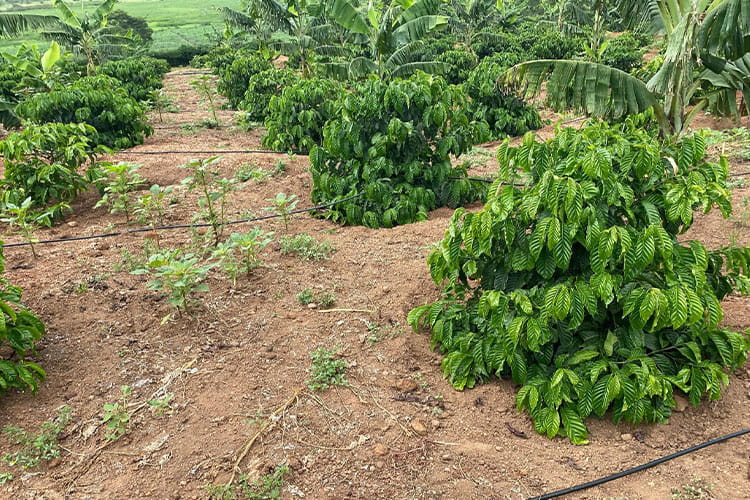
- Drip irrigation
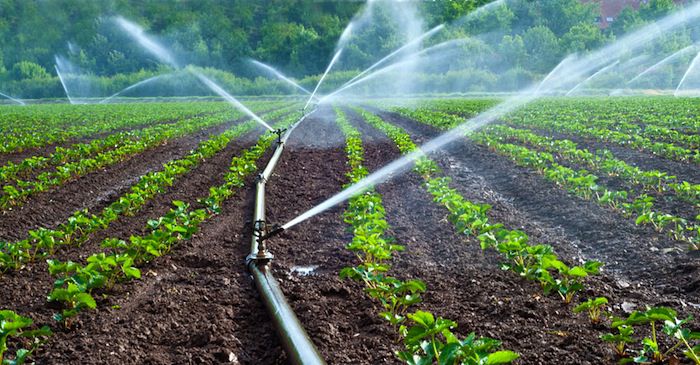
- Sprinkler irrigation
- Rain gun systems
- Pivot irrigation
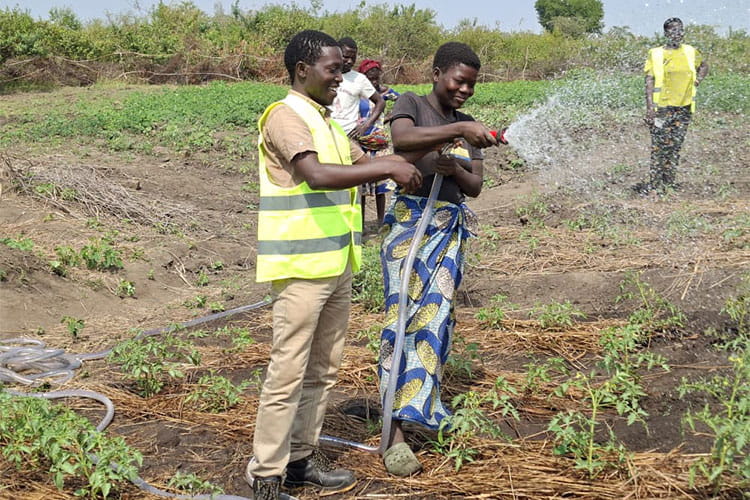
- Hose irrigation
Choosing the right irrigation system depends on the crop type, farm size, water availability, and production goals.
How Does a Solar Water Pumping System Work?
A solar water pumping system follows a simple and efficient process:
- Solar panels generate electricity from sunlight.
- The controller supplies regulated power to the pump.
- The pump lifts water from the source.
- Water is delivered to a storage tank or directly into the irrigation system.
- Crops receive consistent watering throughout the growing season.
Because there are relatively few moving parts, solar water pumping systems generally require less maintenance than conventional fuel-powered pumping systems.
Benefits of Solar Water Pumping Systems
Solar water pumping systems provide several important benefits for farmers looking to improve productivity and reduce operating costs.
Key benefits include:
- Lower operating costs
- Reliable water supply
- Higher crop yields
- Environmentally friendly operation
- Minimal maintenance requirements
These advantages make solar pumping systems one of the most practical investments for modern agriculture.
Lower Operating Costs
Once installed, solar pumps use free energy from the sun, eliminating recurring fuel expenses and reducing electricity bills. This allows farmers to invest more resources into crop production instead of daily operating costs.
Reliable Water Supply
Farmers can irrigate crops even during prolonged dry seasons, improving crop health, reducing production risks, and maintaining consistent farming activities throughout the year.
Higher Crop Yields
Consistent irrigation supports healthy plant growth, better flowering, improved fruit development, and increased harvests. Reliable water access also contributes to improved crop quality and stronger market returns.
Environmentally Friendly
Solar pumping systems produce no greenhouse gas emissions during operation, making them a sustainable solution for modern agriculture while reducing dependence on fossil fuels.
Minimal Maintenance
Solar pumping systems typically require routine cleaning of solar panels and periodic inspection of electrical connections and pump components. Proper maintenance helps ensure long-term performance and reliability.
Which Farmers Benefit Most?
Solar water pumping systems are suitable for many agricultural enterprises, including:
- Vegetable farmers
- Coffee growers
- Fruit orchard owners
- Commercial crop producers
- Livestock farmers
- Fish farmers
- Farmer groups and cooperatives
Whether farming one acre or hundreds of acres, properly designed systems can be tailored to different water requirements.
Choosing the Right Solar Pump
Selecting the right system depends on several factors, including:
- Water source such as a borehole, river, dam, lake, or well
- Pumping depth
- Daily water requirement
- Farm size
- Crop type
- Irrigation method
- Available sunlight
A professional site assessment ensures the system is correctly sized for maximum efficiency, reliability, and long-term performance.
Government Support for Solar Irrigation
Many farmers in Uganda are now adopting solar irrigation through financing and subsidy programmes with the Uganda Energy Credit Capitalisation Company (UECCC), making the technology more affordable.
These initiatives help reduce the upfront cost of installation while encouraging wider adoption of modern irrigation technologies that improve agricultural productivity.
Why Choose Sprinktech?
At Sprinktech, we design and install reliable solar water pumping systems tailored to each farm’s unique needs. Our experienced engineers conduct detailed site assessments, recommend suitable equipment, and provide professional installation and after-sales support.
Our solutions include:
- Solar-powered borehole pumping
- Surface water pumping systems
- Drip irrigation systems
- Sprinkler irrigation systems
- Farm irrigation design and installation
- Technical support and maintenance
With more than 10 years of experience serving farmers, businesses, development partners, and government institutions, Sprinktech remains committed to helping farmers improve productivity through efficient water management.
Looking Forward
Solar water pumping systems are transforming agriculture by providing farmers with reliable access to water while reducing operational costs. As climate variability continues to affect farming, investing in solar-powered irrigation is one of the most practical ways to improve resilience, increase yields, and achieve sustainable agricultural growth.
Whether you are establishing a new farm or upgrading an existing irrigation system, a properly designed solar water pumping system can help maximize productivity throughout the year.
Contact Sprinktech today on +256 709 826632 for a professional site assessment and discover the right solar water pumping solution for your farm.