Best Irrigation Systems for Small Farms in Uganda
The morning sun rose gently over the hills of Uganda, casting a warm golden glow across David’s small farm. From a distance, everything looked promising, almost perfect. But as he stepped closer, the truth revealed itself in the soil beneath his feet—dry, cracked, and desperately in need of water.
For years, David had relied on rainfall, just like many other farmers around him. The seasons had once been predictable, and planting was guided by experience passed down over generations. But recently, something had changed. The rains no longer came when expected. Sometimes they delayed, and other times they disappeared entirely. Each season became more uncertain than the last, turning farming into a risk rather than a reliable source of income.
It was during one particularly difficult season that David began searching for a solution. He realized that if he continued to depend only on rainfall, his farm would never reach its full potential. That search led him to discover the growing importance of irrigation systems in Uganda.
Agriculture in Uganda Is Changing
Agriculture across Uganda is evolving. Climate variability has made rain-fed farming increasingly unreliable, especially for smallholder farmers. What was once considered a backup option is now becoming a necessity. Irrigation is no longer just about supplementing rainfall; it is about taking control of farming outcomes. For David, this realization marked the beginning of a new chapter.
Choosing the Right Irrigation System for Small Farms
As he explored different irrigation options, he quickly understood that there was no single solution that worked for everyone. The right irrigation system depended on several factors, including the size of the farm, the type of crops grown, the availability of water, and the farmer’s budget. What encouraged him most was learning that there was affordable irrigation systems in Uganda designed specifically for small farms like his.
Drip Irrigation for Small Farms
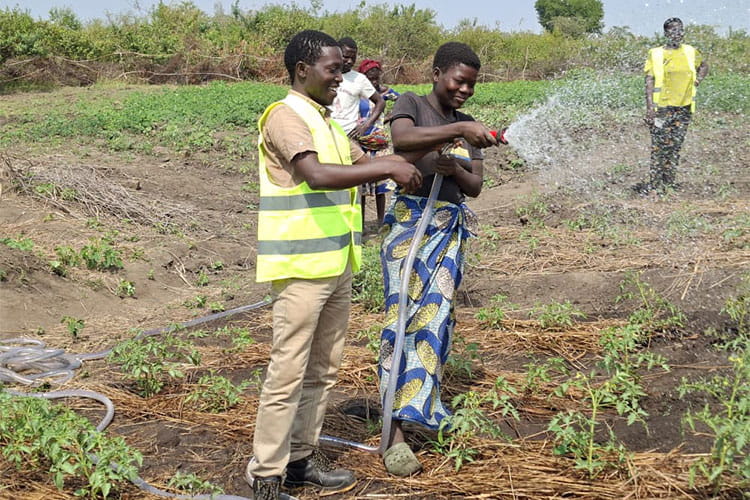
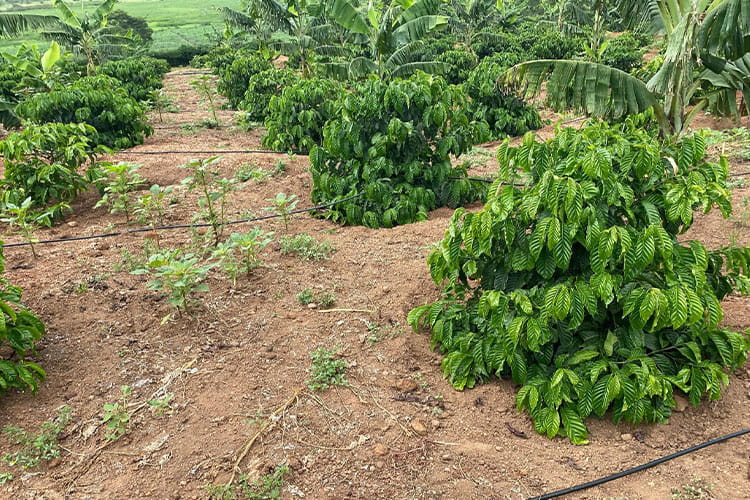
David’s first step into irrigation farming was the installation of a drip irrigation system. At first, the setup seemed simple—pipes laid carefully along the rows of crops, with small outlets releasing water slowly at the base of each plant. But the impact was anything but small. Instead of watering the entire field, the system delivered water directly to the roots where it was needed most. Within a short time, he began to notice significant changes. His water usage reduced, weeds became less of a problem, and his crops grew healthier and more consistently.
The transformation was especially evident in his vegetable garden. Tomatoes, onions, cabbages, and peppers thrived under the controlled water supply. Even crops like coffee responded well to the steady and efficient irrigation. For the first time, David felt a sense of control over his farm. Drip irrigation proved to be one of the most efficient irrigation systems in Uganda, particularly for farmers focused on high-value crops.
Sprinkler Irrigation for Expanding Farms
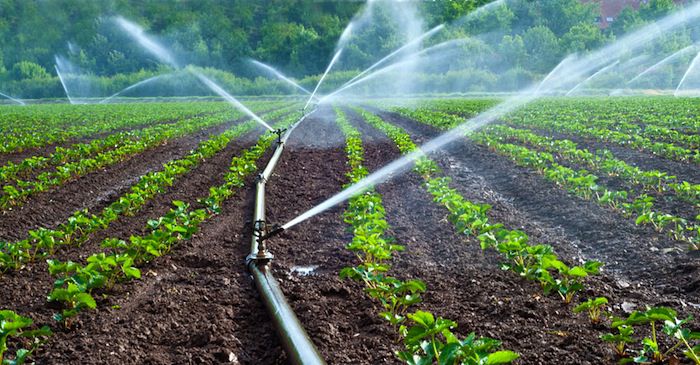
As his confidence grew, so did his ambition. David decided to expand his farm and venture into crops that required covering larger areas. This led him to adopt a sprinkler irrigation system. Watching the sprinklers in action felt almost like creating his own rainfall. Water spread evenly across the field, reaching areas that would have been difficult to manage manually. The uniform distribution improved crop growth, and the reduced labour allowed him to focus on other important aspects of the farm.
Crops like maize, pasture, and even sugarcane responded well to this method. The sprinkler system gave David the flexibility to scale his operations while maintaining efficiency. It became clear to him that different irrigation systems in Uganda serve different purposes, and choosing the right one at the right time can significantly impact productivity.
Solar Irrigation for Cost Reduction
However, as his farm expanded, another challenge emerged fuel costs. Running water pumps daily was becoming expensive, and it began to eat into his profits. Determined to find a sustainable solution, David turned to solar irrigation. By installing solar panels, he was able to power his irrigation system using sunlight, eliminating the need for fuel altogether.
This shift brought a new level of stability to his farming. Without worrying about fuel costs or power outages, he could irrigate his crops consistently. Solar irrigation not only reduced his operating expenses but also made his farm more environmentally friendly. Across Uganda, more farmers are embracing solar-powered systems as part of modern irrigation systems, especially in areas where access to electricity is limited.
The Transformation of Small Farms
Within a year, David’s farm had undergone a remarkable transformation. What was once dependent on uncertain rainfall had become a reliable and productive enterprise. His yields increased, the quality of his produce improved, and he was able to harvest throughout the year. More importantly, he could now plan his farming activities with confidence, knowing that water was no longer a limiting factor.
David’s journey reflects a broader shift taking place across Uganda. Farmers are beginning to move away from uncertainty and towards systems that offer reliability and control. Irrigation is no longer seen as an upgrade reserved for large-scale farmers; it is becoming the foundation of successful small-scale farming.
The Future of Irrigation in Uganda
The future of agriculture in Uganda lies in innovation and adaptation. Modern irrigation systems in Uganda are enabling farmers to go beyond the limitations of seasonal rainfall, increase productivity, and build sustainable agribusinesses. Small farms, once constrained by size and weather, are now being transformed into efficient and profitable ventures.
David often reflects on how far he has come. What started as a struggle to survive has turned into a journey of growth and opportunity. His story is a reminder that change begins with a single decision. For any farmer facing the same challenges he once did, the message is clear—relying on rain alone is no longer enough.
Investing in the right irrigation system is not just about improving your farm; it is about securing your future.
Call or WhatsApp Sprinktech today: +256 709 826 632, to explore the best irrigation systems for small farms in Uganda.