How Affordable Irrigation Is Increasing Food Production Across Uganda
Uganda’s agricultural sector remains the backbone of the country’s economy, employing the majority of the population and contributing significantly to food production. However, for many years, farmers have faced one major challenge: dependence on rainfall. Unpredictable weather patterns, prolonged dry spells, and climate change have often resulted in reduced harvests and food shortages.
Today, affordable irrigation is changing this story. More farmers across Uganda are gaining access to irrigation technologies that allow them to grow crops throughout the year, improve yields, and contribute to national food security. As irrigation becomes more accessible, it is playing a critical role in agricultural development and transforming livelihoods across the country.
The Challenge of Rain-Fed Agriculture
Most smallholder farmers in Uganda rely heavily on seasonal rainfall to grow crops. While rainfall can support agricultural production, it is often unreliable. Delayed rains, droughts, and changing weather patterns can lead to crop failure and income losses.
When farmers cannot access water during critical stages of crop growth, yields decline significantly. This not only affects household incomes but also contributes to food shortages and rising food prices.
The need for reliable water access has made irrigation an essential investment for sustainable agriculture.
Affordable Irrigation Is Expanding Access
Traditionally, irrigation systems were considered expensive and beyond the reach of many smallholder farmers. The cost of fuel-powered pumps, installation, and maintenance prevented widespread adoption.
However, advances in technology and government-supported financing programs have made irrigation more affordable than ever before. Farmers can now access solutions such as:
- Solar-powered water pumps
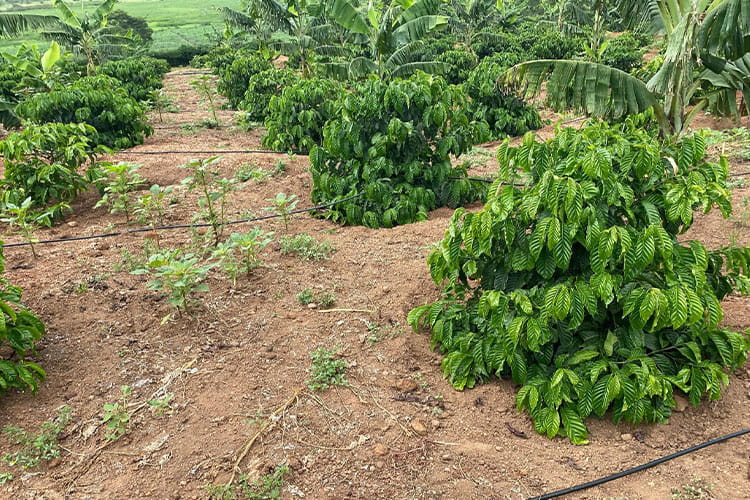
- Drip irrigation systems
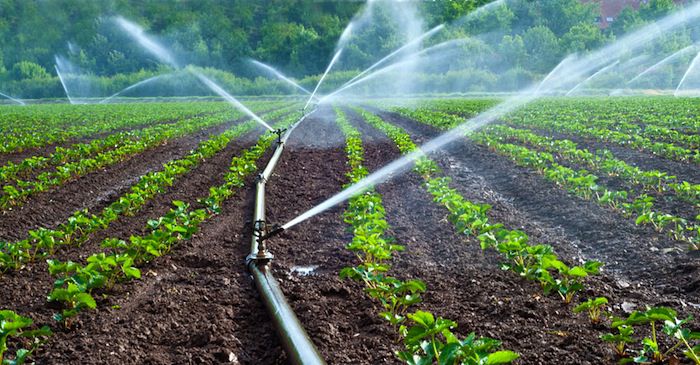
- Sprinkler irrigation systems
- Small-scale irrigation kits
- Water storage and distribution solutions
These technologies require lower operating costs and enable farmers to irrigate crops efficiently throughout the year.
Increased Crop Production Throughout the Year
One of the biggest advantages of affordable irrigation is the ability to farm beyond the rainy season.
With a reliable water source, farmers can plant crops during dry periods when many others cannot. This allows for multiple growing seasons within a year, increasing overall food production.
Farmers using irrigation often report:
- Higher crop yields
- More consistent harvests
- Reduced crop losses during droughts
- Improved crop quality
- Increased farm profitability
By maintaining optimal soil moisture levels, crops can grow healthier and reach their full production potential.
Supporting Food Security in Uganda
Food security Uganda remains a national priority as the population continues to grow. Ensuring that sufficient food is available year-round requires consistent agricultural production.
Affordable irrigation helps address food security challenges by increasing food availability, stabilizing food prices, building climate resilience, and enhancing rural livelihoods.
Increasing Food Availability
When farmers produce more crops throughout the year, local markets receive a steady supply of food products. This reduces shortages and improves access to nutritious foods.
Stabilizing Food Prices
Consistent production helps reduce extreme fluctuations in food prices caused by seasonal shortages. Consumers benefit from more stable and affordable food supplies.
Building Climate Resilience
Irrigation reduces dependence on rainfall, making farming systems more resilient to droughts and changing weather patterns.
Enhancing Rural Livelihoods
Higher agricultural productivity translates into increased household incomes, allowing farming families to invest in education, healthcare, and improved living conditions.
Driving Agricultural Development
The expansion of affordable irrigation is accelerating agricultural development across Uganda.
As farmers become more productive, they create opportunities throughout the agricultural value chain, including:
- Agro-processing
- Food packaging
- Transportation and logistics
- Agricultural input supply
- Market distribution
This growth generates employment opportunities and stimulates economic development in rural communities.
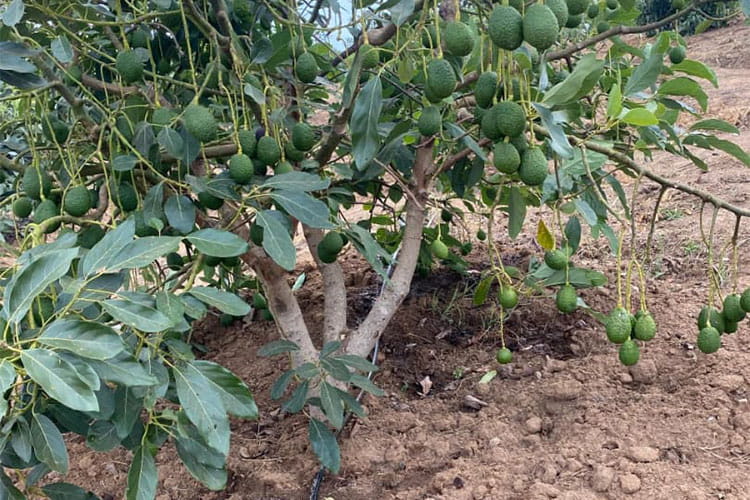
In addition, irrigation supports the production of high-value crops such as vegetables, fruits, and horticultural products, which offer greater income potential for farmers.
The Role of Solar Irrigation
Solar-powered irrigation systems are becoming increasingly popular due to their affordability and sustainability.
Unlike fuel-powered pumps, solar water pumps operate using energy from the sun, reducing recurring fuel expenses. Farmers can access water whenever needed without worrying about rising fuel costs.
Benefits of solar irrigation include:
- Lower operating costs
- Minimal maintenance requirements
- Environmentally friendly operation
- Reliable water access
- Long-term cost savings
As solar technology becomes more accessible, it is helping thousands of farmers adopt irrigation and improve productivity.
Looking Ahead
The future of agriculture in Uganda depends on reliable and sustainable water access. Affordable irrigation is proving to be one of the most effective solutions for increasing food production, strengthening food security, and promoting agricultural development.
As more farmers embrace modern irrigation technologies, Uganda is well-positioned to improve agricultural resilience, boost rural incomes, and ensure a stable food supply for future generations.
Investing in affordable irrigation is not just an investment in farming, it is an investment in national food security, economic growth, and sustainable development.