How Much Water Does Coffee Need? Complete Irrigation Guide for Coffee Farmers
Coffee farming in Uganda and across East Africa depends heavily on proper water management. While coffee plants can survive on rainfall alone, unpredictable weather patterns and prolonged dry seasons have made irrigation increasingly important for farmers who want consistent yields and high-quality beans. Understanding how much water coffee plants need and implementing the right irrigation schedule can significantly improve productivity, reduce crop stress, and increase farm profitability.
Coffee plants require water for healthy root development, nutrient absorption, flowering, and cherry formation. When coffee crops do not receive enough moisture, farmers often experience poor flowering, premature fruit drop, reduced bean size, and lower overall yields. On the other hand, excessive irrigation can lead to root diseases, waterlogging, and wasted resources. This is why proper coffee irrigation scheduling is essential for successful coffee farming.
The amount of water coffee plants need depends on several factors including climate, soil type, rainfall availability, plant age, and irrigation method. In general, mature coffee plants require approximately 20 to 30 liters of water per plant per week during dry periods. Young coffee plants require smaller amounts of water but need more frequent irrigation to support root establishment. In hotter regions or sandy soils where water drains quickly, irrigation may need to be applied more often to maintain proper soil moisture.
One of the most important aspects of coffee irrigation is timing. Coffee plants need adequate water during critical growth stages, especially during flowering and cherry development. Water stress during flowering can reduce fruit setting, while insufficient moisture during bean filling affects bean quality and harvest size. During extended dry seasons, irrigation becomes even more important in maintaining healthy and productive coffee plants.
Farmers should also understand how soil type affects irrigation scheduling. Sandy soils lose moisture quickly and usually require frequent watering, while clay soils retain water for longer periods. Weather conditions such as high temperatures, strong sunlight, and wind can also increase water loss through evaporation. Monitoring rainfall and soil moisture helps farmers determine when irrigation is necessary and prevents overwatering.
Drip Irrigation for Coffee Farming
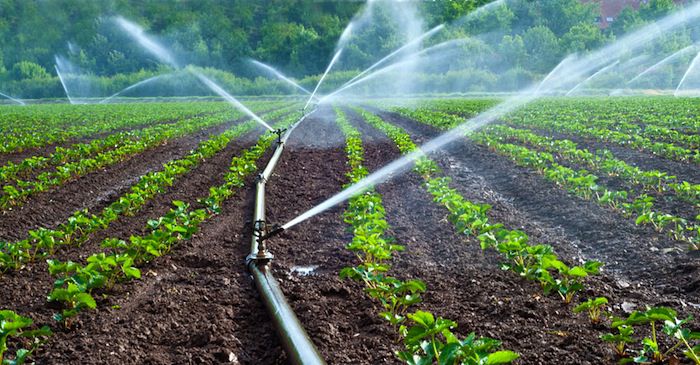
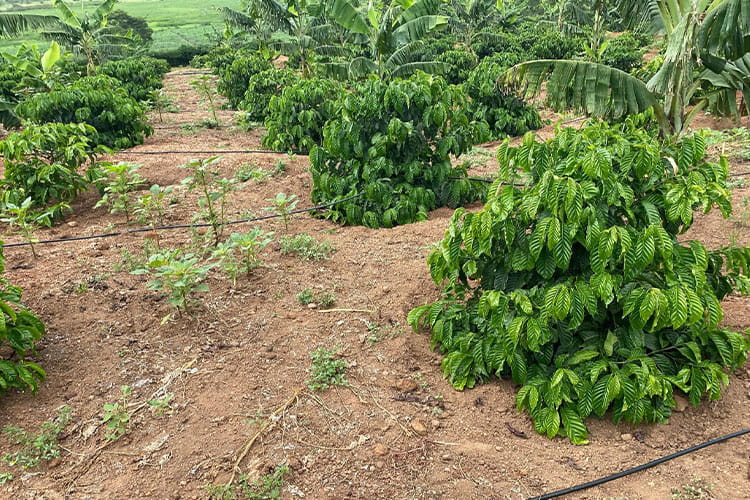
Drip irrigation is widely considered one of the best irrigation systems for coffee farming because it delivers water directly to the plant root zone. This method improves water efficiency, reduces wastage, and minimizes weed growth. Drip irrigation also supports better fertilizer application and helps farmers manage water more effectively during dry periods. Sprinkler irrigation can also be used on coffee farms, particularly for larger plantations, although it may result in higher evaporation losses compared to drip systems.
Solar Irrigation Systems for Coffee Farmers
Many coffee farmers in Uganda are now adopting solar irrigation systems to reduce operational costs caused by rising fuel and electricity prices. Solar-powered water pumps provide a reliable and environmentally friendly solution for irrigation, especially in rural areas with limited access to electricity. Combining solar pumping systems with drip irrigation helps farmers reduce irrigation expenses while improving water efficiency and crop productivity.
Signs of Water Stress in Coffee Plants
Coffee farmers should regularly monitor their crops for signs of water stress. Common indicators include wilting leaves, curled leaves, slow plant growth, and premature dropping of flowers or cherries. These signs often indicate that the crop requires immediate irrigation. However, farmers should avoid over-irrigating because excessive water can damage roots, encourage diseases, and increase unnecessary pumping costs.
Proper Irrigation Scheduling for Coffee
Successful coffee irrigation is not about applying large amounts of water. It is about applying the right amount of water at the right time based on the crop’s growth stage, soil condition, and weather patterns. Proper irrigation scheduling helps farmers conserve water, improve coffee quality, and achieve more stable harvests throughout the year.
At Sprinktech we provide professional irrigation solutions for coffee farmers including drip irrigation systems, solar water pumping solutions, and irrigation system installation services designed to improve agricultural productivity and water efficiency across Uganda.
Frequently Asked Questions About Coffee Irrigation
How often should coffee plants be irrigated?
Coffee plants should generally be irrigated during dry periods when rainfall is insufficient. The frequency depends on soil type, climate, and plant age. Sandy soils may require more frequent irrigation than clay soils.
What is the best irrigation system for coffee farming?
Drip irrigation is one of the most efficient irrigation systems for coffee farming because it delivers water directly to the roots while reducing water wastage.
Can coffee survive without irrigation?
Coffee can survive under rainfall conditions, but irrigation improves plant health, bean quality, and yields, especially during prolonged dry seasons.
Why is irrigation important in coffee farming?
Irrigation helps maintain soil moisture, supports flowering and cherry development, reduces crop stress, and improves overall productivity.