How to Choose Solar Water Pumps in Uganda for Your Farm
Farming in Uganda is becoming increasingly unpredictable due to climate variability and rising fuel costs. Many farmers are now turning to solar water pumps in Uganda as a reliable and sustainable solution. But selecting the right pump isn’t just about going solar; it’s about finding a system that fits your farm’s specific needs.
Understand Your Water Needs
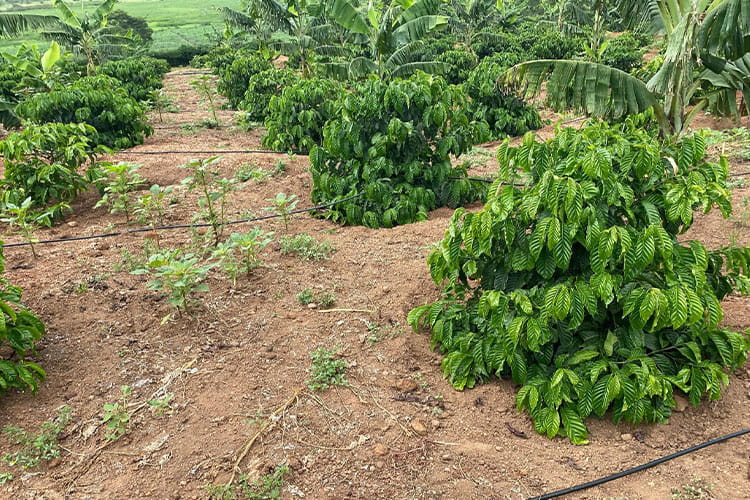
Before choosing a solar pump, estimate how much water your farm requires daily. Crops have different water needs. Vegetables need frequent, moderate watering, while cash crops like coffee require deeper but less frequent irrigation. Knowing your total land size under irrigation and daily water requirement in liters will help determine the pump capacity you need.
Evaluate Your Water Source
Your water source plays a key role in pump selection. Is your water coming from a borehole, river, lake, or shallow well? How deep is it, and how far is it from your farm? Submersible pumps are ideal for deep boreholes, while surface pumps work best for shallow water sources like rivers or tanks. For farmers in Uganda, matching the pump to the water source ensures efficiency and long-term reliability.
Calculate Total Head and Distance
The total head refers to the distance and height that water needs to be moved. It includes vertical height from the source to storage tanks or fields, horizontal distance, and the pressure needed for irrigation systems like drip or sprinkler setups. Higher total head requires more powerful pumps.
Consider Solar Potential
Solar power availability is crucial. Uganda enjoys strong sunlight for most of the year, making solar water pumps in Uganda highly effective. Take into account peak sun hours per day and seasonal variations, as these determine the number of solar panels needed and whether a backup solution, such as batteries or a hybrid system, is necessary.
Choose the Right Pump Size and Capacity
Many farmers make the mistake of under sizing, which leads to insufficient water, or oversizing, which increases costs unnecessarily. Work with a qualified technician or supplier to match pump flow rate, solar panel output, and farm demand for optimal performance.
Plan for Water Storage
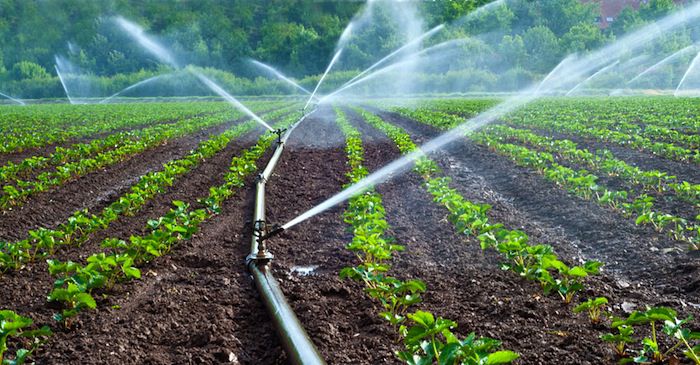
Storing water in tanks during sunny hours ensures a consistent supply even at night or on cloudy days. It also reduces dependence on expensive batteries. The most effective systems combine a solar pump, storage tank, and irrigation setup to maximize efficiency and crop yields.
Focus on Quality and Support
Not all solar pumps are equal. Choosing a reputable brand with a reliable warranty, accessible spare parts, and local technical support in Uganda ensures your investment lasts. A cheaper system might save money initially, but can cost more in maintenance and downtime over time.
Evaluate Long-Term Value
While solar pumps require upfront investment, they save money over time compared to fuel-powered pumps. Most Ugandan farmers recover their investment within a few seasons, thanks to near-zero running costs.
Selecting the right solar water pumps in Uganda is not just a technical decision; it’s a strategic one. The right system can boost yields, reduce costs, and make your farm more resilient to changing weather. Instead of asking “Which pump is cheapest?” ask, “Which system will sustain my farm for the long term?”
Investing time in choosing the right solar water pump can transform your farm’s productivity and secure a more sustainable future.