Top Tips for Maintaining Your Solar Water Pump
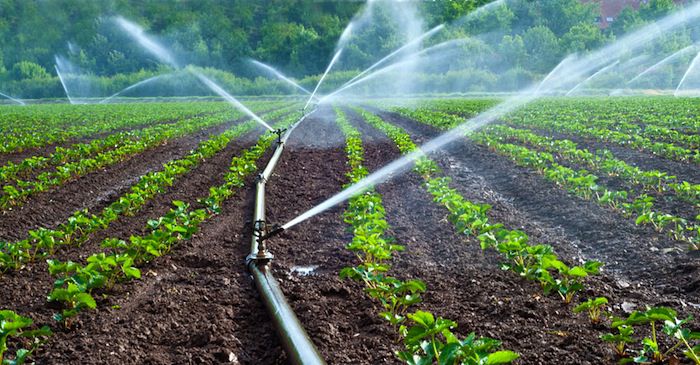
Solar water pumps are increasingly becoming an essential tool for modern farming, especially in regions where rainfall is unpredictable and fuel costs continue to rise. By harnessing energy from the sun, these systems provide a reliable, cost-effective, and environmentally friendly solution for irrigation.
However, like any agricultural equipment, solar water pumps require proper maintenance to operate efficiently and last for many years. Without routine care, even the most advanced systems can experience reduced performance, higher repair costs, and unexpected breakdowns that can disrupt farming activities.
In this guide, we explore practical and easy-to-follow tips that will help you maintain your solar water pump and ensure a consistent water supply for your farm.
Why Maintenance Matters for Solar Water Pumps
Many farmers assume that solar-powered systems are completely maintenance-free. While they do require less attention compared to fuel-powered pumps, they still need regular care to function at their best. Maintenance plays a crucial role in maximizing system efficiency, extending the lifespan of components, and preventing costly repairs.
When maintenance is neglected, small issues can quickly develop into major problems. Reduced water output, inconsistent performance, and even system failure can occur if early warning signs are ignored. Taking a proactive approach to maintenance ensures that your irrigation system remains dependable throughout the farming season.
Keeping Solar Panels Clean and Efficient
Solar panels are the primary source of energy for the entire system, and their performance directly affects how much water your pump can deliver. Over time, dust, dirt, bird droppings, and plant debris can accumulate on the surface of the panels, blocking sunlight and reducing their efficiency.
Regular cleaning is essential to maintain optimal performance. Panels should be cleaned using clean water and a soft cloth or sponge to avoid scratching the surface. It is best to clean them early in the morning or late in the evening when temperatures are lower, as cleaning hot panels can cause damage. Even a thin layer of dust can significantly reduce energy output, especially during dry seasons when dust levels are high.
Inspecting Electrical Connections and Wiring
A solar water pump system relies on a network of electrical connections to transfer energy from the panels to the pump. Any disruption in this flow can affect the overall performance of the system.
It is important to regularly inspect the wiring and connections for signs of wear and tear. Loose connections, corroded terminals, and damaged insulation can all lead to power loss or system failure. In some cases, rodents or environmental factors may damage cables, making inspections even more critical.
Addressing electrical issues early helps prevent further damage and ensures that the system continues to operate safely and efficiently. If any faults are detected, they should be handled by a qualified technician.
Monitoring Pump Performance Over Time
The performance of the pump itself is a clear indicator of the system’s overall condition. A well-functioning pump should provide steady and consistent water flow without unusual interruptions.
Farmers should pay close attention to any changes in water output. A noticeable drop in pressure or inconsistent flow may signal underlying issues such as blockages, worn-out components, or reduced power supply. Unusual noises from the pump can also indicate mechanical problems that need attention.
By monitoring performance regularly, it becomes easier to identify and resolve problems before they escalate into costly repairs or complete system failure.
Protecting the Pump from Dirt and Debris
Water sources used for irrigation often contain particles such as sand, silt, and organic matter. Over time, these impurities can enter the pump and cause internal damage or clogging.
To prevent this, it is important to ensure that the pump is protected from excessive debris. Installing a filtration system can help remove harmful particles before they reach the pump. Intake screens should also be checked and cleaned regularly to maintain proper water flow.
Ensuring that the pump operates in relatively clean water conditions significantly improves its efficiency and extends its lifespan.
Ensuring Proper System Positioning
The way a solar water pump system is installed plays a major role in how well it performs and how much maintenance it requires. Solar panels should be positioned in a location where they receive maximum sunlight throughout the day, without shading from trees or buildings.
The mounting structure must be stable and secure to withstand weather conditions such as strong winds or heavy rain. For submersible pumps, proper depth installation is critical to avoid drawing in sediment from the bottom of the water source.
Even after installation, it is important to periodically check that all components remain properly aligned and securely fixed. Small shifts or misalignments can gradually affect system performance.
Maintaining a Clean Surrounding Environment
The environment around the solar water pump system can have a direct impact on its efficiency. Overgrown vegetation, accumulated debris, and general neglect can interfere with the operation of the system.
Keeping the surrounding area clean helps ensure that panels receive full sunlight and that system components remain accessible for inspection and maintenance. Regular trimming of nearby plants and clearing of weeds can prevent shading and reduce the risk of damage to wiring.
A well-maintained environment also reduces the likelihood of pests interfering with the system.
Protecting the System from Theft and Damage
Solar water pump systems are valuable assets, and in some areas, they may be at risk of theft or vandalism. Physical damage can also occur due to environmental factors or accidental impact.
Taking steps to secure the system is an important part of maintenance. Installing panels in elevated or less accessible areas, using strong mounting structures, and implementing basic security measures can help protect the investment.
Ensuring the safety of the system not only prevents financial loss but also guarantees uninterrupted irrigation.
Scheduling Routine Professional Servicing
While regular checks can be done by the farmer, professional servicing is essential for long-term reliability. A trained technician has the expertise to identify hidden issues and perform detailed inspections that go beyond routine maintenance.
Periodic servicing typically includes checking electrical components, inspecting the pump and motor, testing system efficiency, and making necessary adjustments. Scheduling professional maintenance at least once a year helps ensure that the system continues to operate at peak performance.
This proactive approach reduces the likelihood of unexpected breakdowns and extends the life of the entire system.
Tracking and Understanding System Performance
Keeping a record of how the solar water pump performs over time can provide valuable insights. Observing patterns in water output and system behavior helps in identifying potential issues early.
Changes in performance may occur due to seasonal variations, environmental conditions, or gradual wear and tear. By tracking these changes, farmers can take timely action to maintain efficiency.
This habit also supports better planning for irrigation and resource management.
Adapting Maintenance to Seasonal Changes
Different seasons present different challenges for solar water pump systems. During dry periods, dust accumulation increases, requiring more frequent cleaning of panels. Water demand is also higher, making it important to monitor system performance closely.
In rainy seasons, excess moisture can affect electrical components if they are not properly protected. Ensuring proper drainage around the pump area and checking for water damage becomes essential. Adjusting maintenance practices according to seasonal conditions helps maintain consistent performance throughout the year.
Conclusion
Solar water pumps are a long-term investment in reliable and sustainable farming, but their performance depends on consistent care and timely maintenance. By paying attention to cleaning, system checks, and early signs of wear, farmers can avoid costly breakdowns and ensure uninterrupted irrigation throughout the year.
However, some issues require professional expertise to properly diagnose and fix. That’s why it’s important to work with experienced technicians who understand the system inside and out.
For professional pump repairs and maintenance, call or WhatsApp Sprinktech today on +256 709 826 632. All repairs and servicing are handled at a fully equipped workshop by a skilled and experienced team of technicians dedicated to keeping your system running at its best.