As climate change disrupts traditional weather patterns and rainfall becomes increasingly erratic, experts are calling on the Ugandan government, farmers, and property owners to embrace smart irrigation technologies to ensure sustainable water use and secure agricultural productivity.
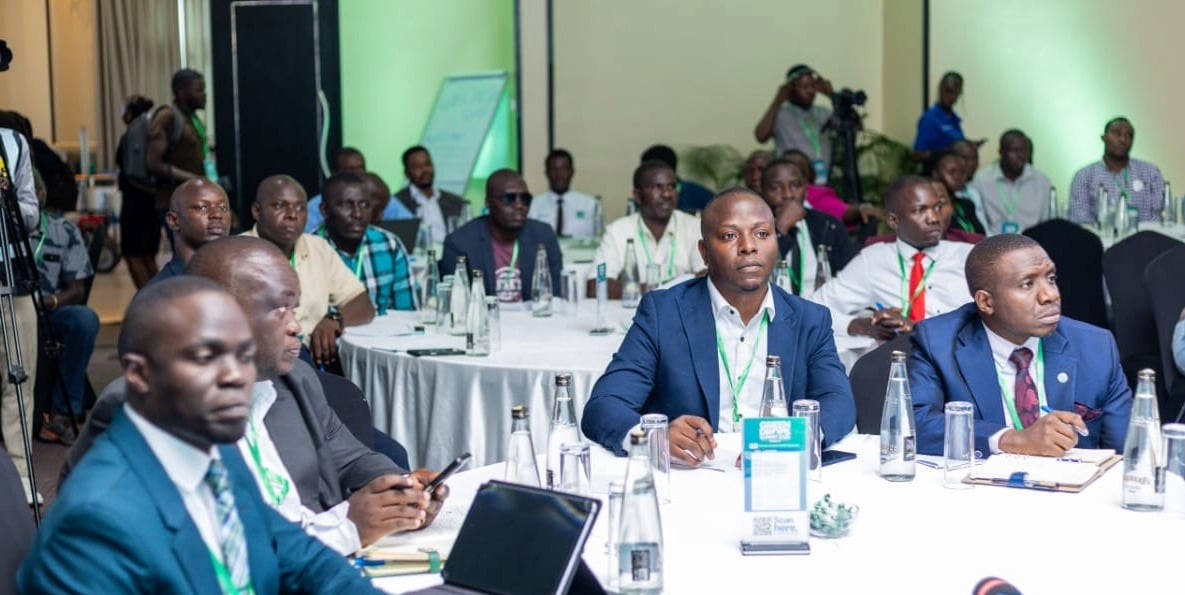
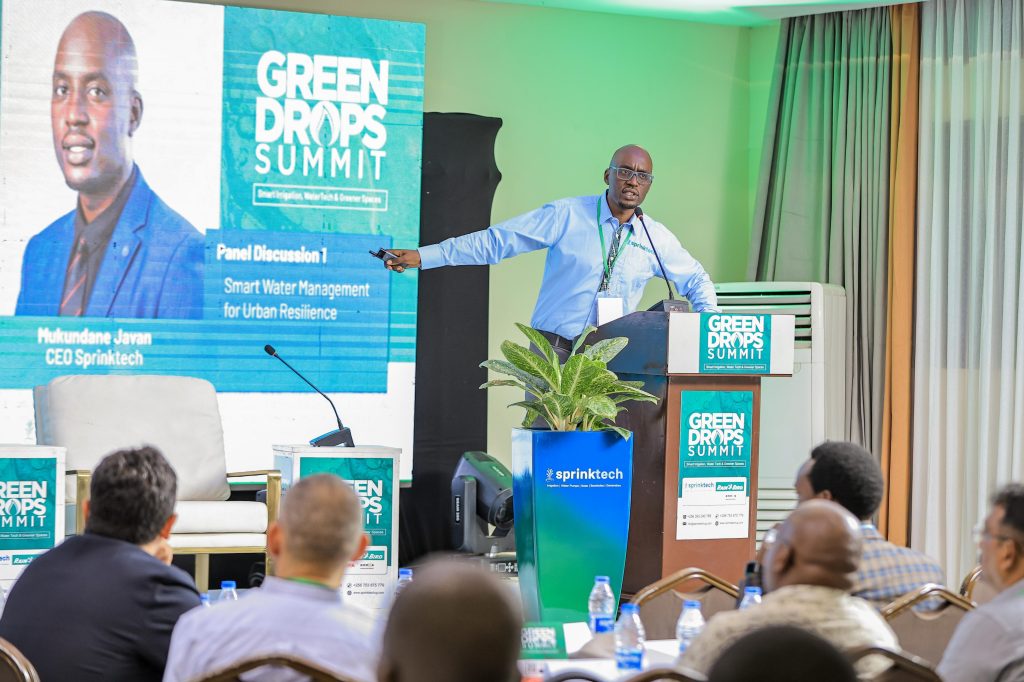
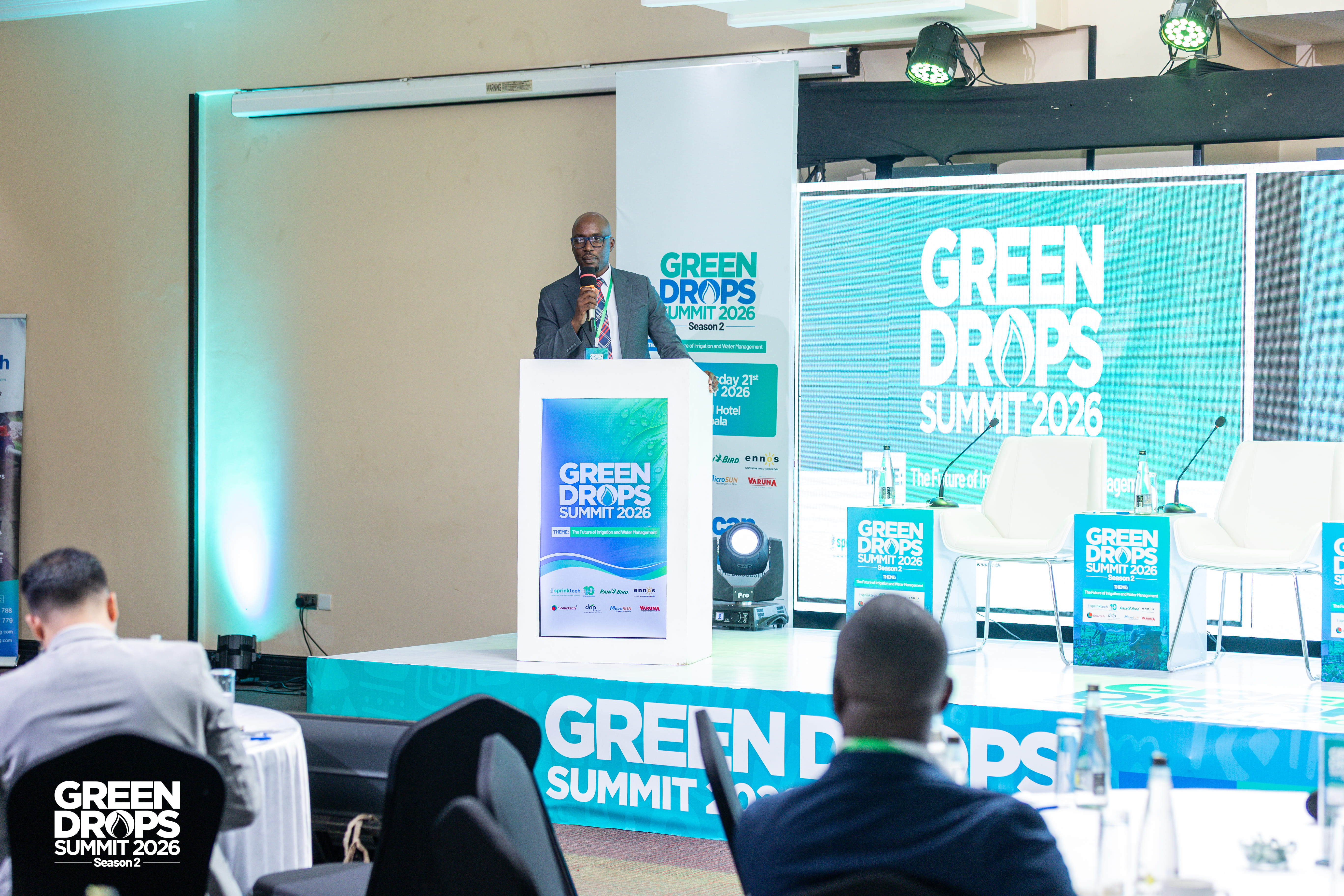
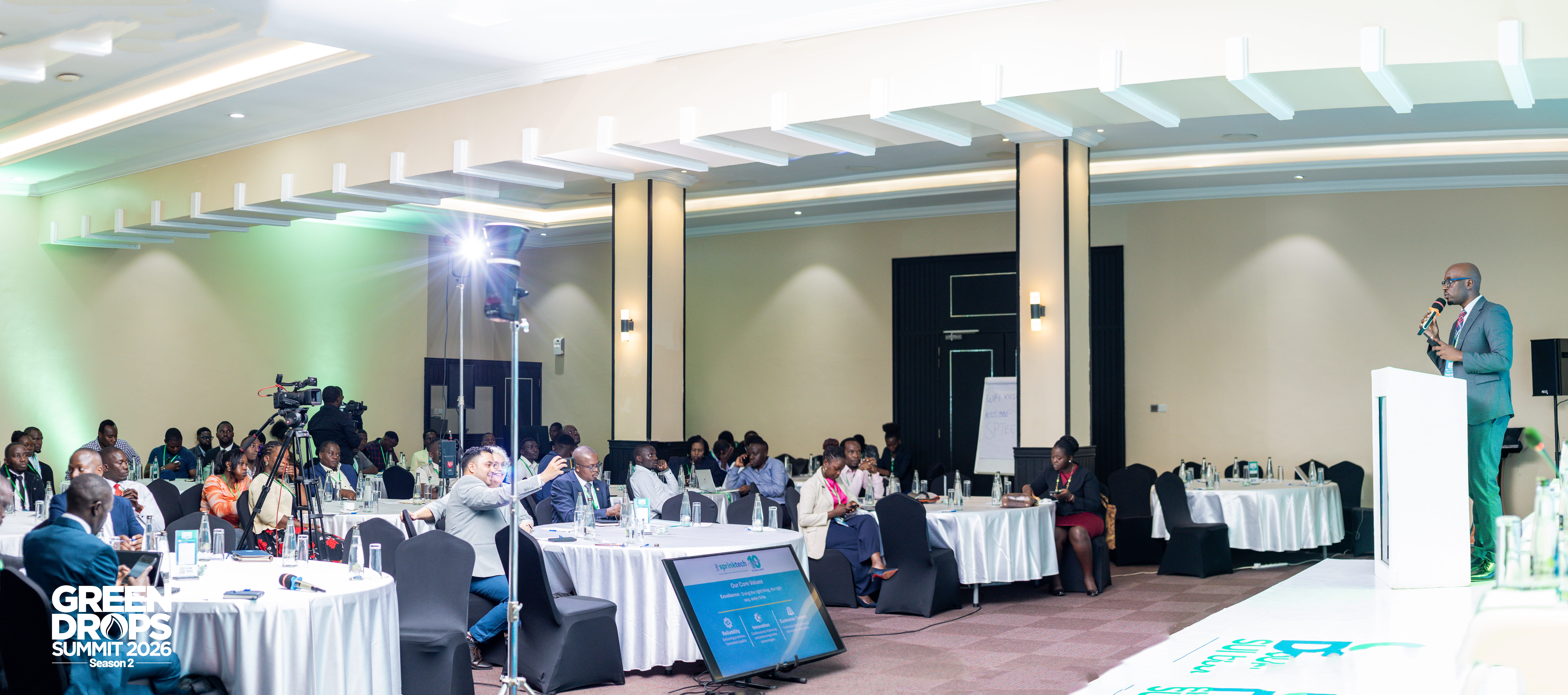
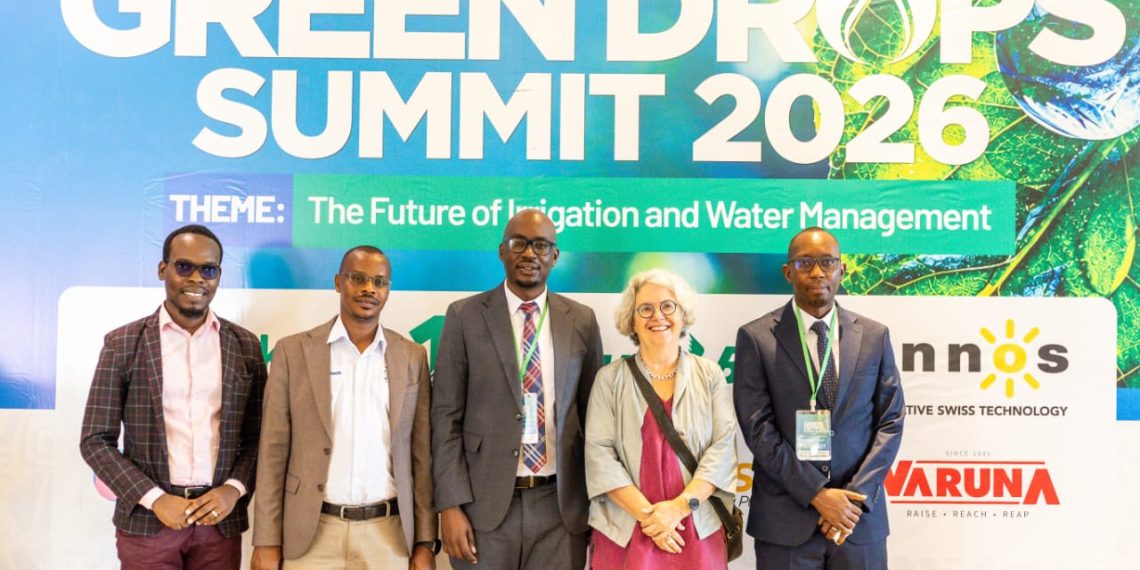
Speaking at the Green Drops Summit in Kampala, irrigation engineers and technology providers highlighted the transformative role of smart irrigation in confronting the twin challenges of water scarcity and unpredictable weather.
Aloysius Mubangizi, an irrigation engineer, emphasised the urgent need to modernise irrigation systems in Uganda using tools powered by artificial intelligence (AI), the Internet of Things (IoT), and automation.
“Before, we relied on guesswork and manual labour. But now we have advanced systems sensors, automated sprinklers, and smart controls that take the stress off farmers and property owners,” Mubangizi said. “These systems manage water usage efficiently, irrigating only when and where it is needed.”
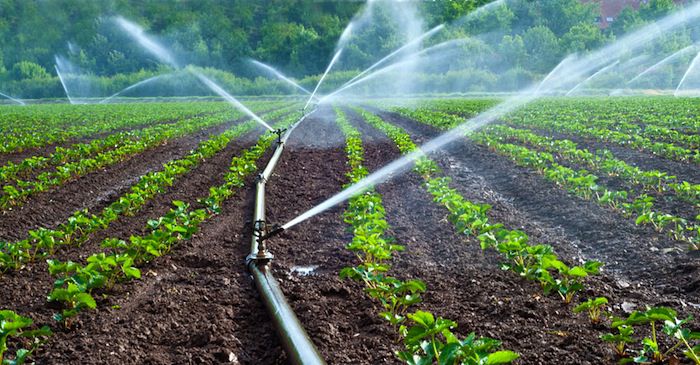
He explained that smart irrigation systems are designed to monitor soil moisture, weather conditions, and plant water needs, adjusting irrigation schedules automatically. The result is a significant reduction in water waste and lower costs.
“In the past, someone had to manually turn off the irrigation system when it rained. But with automation, the system detects rain and halts irrigation. You can even manage your farm from Dubai—check diagnostics, monitor performance, and receive alerts if something goes wrong,” Mubangizi noted.
Mr. Javan Mukundane, CEO of SprinkTech, a company specialising in solar-powered and smart irrigation systems, described how climate change has eroded traditional farming calendars.
“Long ago, our ancestors planted based on reliable rainfall patterns. Uganda had two clear rainy seasons. Today, you can’t tell when to plant. Rain falls one day, disappears the next,” Mukundane said.
This unpredictability, he noted, has shrunk the farming window and reduced overall agricultural productivity. “Agriculture employs more than 70 percent of Uganda’s population, but it contributes only 23 percent to the GDP. That tells us there’s a huge productivity gap.”
To close that gap, SprinkTech is helping farmers create a third planting season using solar-powered smart irrigation. Their technology uses programmable controllers that respond to soil conditions, crop type, and weather forecasts.
“These systems don’t need constant internet. You program them based on your crop’s water needs, and the controller does the rest—irrigates when necessary and pauses during rainfall. You save on labour, water, and energy,” Mukundane said.
He added that smart irrigation also has environmental benefits. “We partner with Rain Bird, an international manufacturer, to bring in irrigation technologies that conserve water by up to 30 percent. Through global LEED (Leadership in Energy and Environmental Design) credits, farmers who conserve water can even get paid.”
Fadi Abu Azzeh, Area Sales Manager for Rain Bird Corporation, warned that the world is approaching a critical water crisis.
“In the last 20 years, water scarcity has increased everywhere—even in water-rich countries. We are facing a red alert globally. Yes, we still have water now, but what are we leaving for the next generation?” he said.
Rain Bird, which supplies irrigation products to countries facing severe drought such as those in the Gulf Cooperation Council (GCC), believes Uganda must act fast to modernize its irrigation systems.
“You need smart irrigation to increase both agricultural output and landscape quality. Uganda has immense agricultural potential, but over 65 percent of its farmers are smallholders, and only around 10 percent operate on a large scale,” Abu Azzeh said.
He urged Uganda to follow global trends by adopting precision irrigation technologies that not only optimise crop yields but also protect natural water resources.
Despite the clear benefits, uptake of smart irrigation remains limited in Uganda. One of the main barriers is cost, especially for smallholder farmers who may lack access to financing or technical expertise.
Experts are now urging the Ugandan government to subsidise or incentivise smart irrigation technology, particularly for small-scale farmers in regions most affected by climate change.
“We need policies that promote climate-smart agriculture and support local manufacturers and importers of irrigation equipment,” said Mukundane. “If the government leads, adoption will follow.”