In the dynamic landscape of agriculture, where resource optimization and sustainable practices are paramount, the role of innovative technologies has never been more critical. Among these, the drip irrigation system stands as a beacon of efficiency, transforming the way we nurture our crops. In this article, we delve into the myriad benefits that make drip irrigation an indispensable tool for farmers worldwide, promoting water conservation, enhancing crop yields, and securing a sustainable future for agriculture.
- Precision in Every Drop
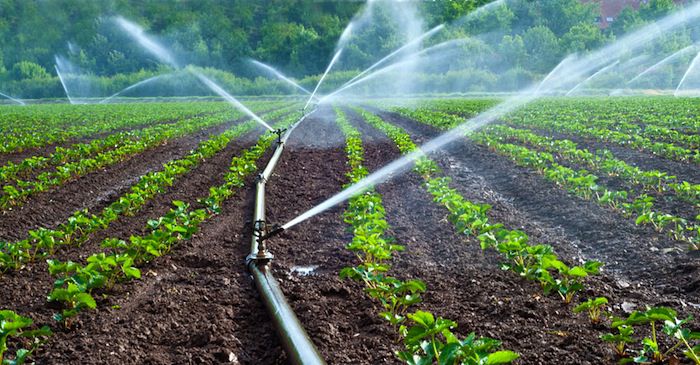
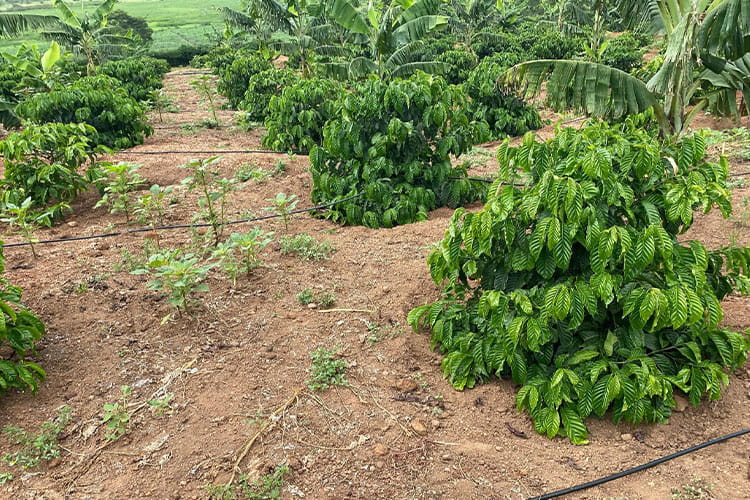
Drip irrigation is synonymous with precision. Unlike traditional methods that drown entire fields in water, drip systems deliver moisture directly to the root zone of plants. This surgical precision not only maximizes water efficiency but also minimizes wastage through evaporation and runoff. Each droplet becomes a targeted investment, ensuring that crops receive the right amount of hydration without unnecessary excess
- Water Conservation
In a world grappling with water scarcity, the conservation of this precious resource has become a moral imperative. Drip irrigation stands tall as a champion in this endeavor, significantly reducing water usage compared to conventional methods. By delivering water directly to the plant’s roots, drip systems ensure that every drop is utilized for its intended purpose, minimizing water loss and environmental impact.
- Increased Crop Yields
The efficiency of drip irrigation isn’t just about saving water—it’s about growing more with less. By providing a consistent and optimized supply of water and nutrients, crops flourish under the precise care of drip systems. Studies consistently show that farms employing drip irrigation experience higher crop yields, making it a strategic investment for farmers seeking to maximize their productivity and profitability.
4.Reduced Weed Growth and Disease Incidence:
Drip irrigation doesn’t just water plants; it creates an environment that fosters plant health. By delivering water directly to the roots and avoiding the wetting of foliage, drip systems minimize the conditions favorable for weed growth and the spread of diseases. This not only saves farmers the laborious task of weeding but also reduces the need for chemical interventions, promoting a eco-friendlier and sustainable approach to crop management.
Long-Term Cost Savings
While the initial setup of a drip irrigation system requires an investment, the long-term cost savings are undeniable. Reduced water usage, lower labor costs, and increased crop yields contribute to a compelling economic case for the adoption of drip systems. Over time, farmers witness a return on their investment that extends far beyond the boundaries of their fields.
Versatility Across Crops and Terrains
Drip irrigation isn’t a one-size-fits-all solution—it’s a customizable approach that adapts to the diverse needs of farmers. From sprawling fields of cash crops to the intricacies of orchards and greenhouse cultivation, drip systems can be tailored to suit various crops and terrains. This versatility ensures that the benefits of precision and efficiency are accessible to a wide range of agricultural practices.
7.Lettuce and Leafy Greens:
Drip irrigation is well-suited for growing lettuce and other leafy greens. The controlled water delivery prevents soil splashing onto the leaves, reducing the risk of diseases. It also ensures uniform moisture for lush and healthy greens.
8.Blueberries:
Blueberry bushes benefit from the precise watering of drip irrigation. The system helps maintain optimal soil conditions for blueberry plants, preventing waterlogged or dry soil, and promoting healthy growth for a fruitful harvest.
9.Greenhouse Crops (Tomatoes, Cucumbers):
Greenhouse cultivation demands precision, making drip irrigation an excellent choice for crops like tomatoes and cucumbers. The system ensures efficient water use, creates an ideal microenvironment, and minimizes the risk of foliar diseases in greenhouse settings.
10.Landscaping and Ornamental Plants:
Example: Rose Gardens
Drip irrigation is ideal for ornamental plants like roses in landscaping. It provides targeted watering, minimizing water runoff and preventing foliage diseases. This precision ensures the health and beauty of ornamental plants while conserving water.
Conclusion:
As we traverse the intricate landscape of drip irrigation, it becomes evident that this technology is not merely a system—it is a symphony orchestrating the efficient use of water, promoting crop health, and customizing its nurturing touch to the diverse needs of each plant. Drip irrigation, with its precision farming approach, emerges as the maestro, harmonizing growth, sustainability, and innovation. In a world where the future of agriculture hinges on responsibility and resource optimization, drip irrigation stands tall as a beacon of progress—a testament to how each drop can be a note in the flourishing melody of modern farming.