Why More Farmers Are Switching from Fuel Pumps to Solar Water Pumps
The Growing Shift Toward Solar-Powered Irrigation
For years, many farmers have relied on diesel and petrol-powered pumps to access water for irrigation. While these pumps have helped increase agricultural production, rising fuel prices, maintenance costs, and environmental concerns are causing farmers to explore more sustainable alternatives.
Today, solar water pumps are becoming one of the fastest-growing irrigation technologies in agriculture. Across Uganda and many parts of Africa, farmers are adopting solar-powered irrigation systems to reduce operating costs, improve productivity, and achieve year-round farming.
As climate change continues to affect rainfall patterns, reliable and affordable irrigation is becoming essential for successful farming. Solar water pumps are helping farmers meet this challenge while reducing dependence on expensive fossil fuels.
Understanding Solar Water Pumps
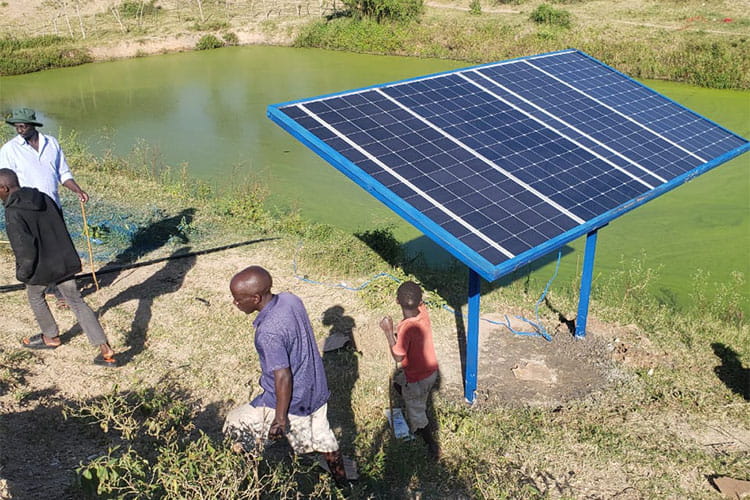
A solar water pump uses energy from the sun to pump water from rivers, lakes, dams, boreholes, or wells for irrigation and livestock watering. Solar panels generate electricity that powers the pump, eliminating the need for fuel.
Unlike diesel-powered pumps, solar systems use renewable energy and can operate for many years with minimal maintenance.
Why Farmers Are Moving Away from Fuel Pumps
1. Rising Fuel Costs Increase Irrigation Expenses
One of the biggest challenges facing farmers is the increasing cost of fuel. Diesel and petrol prices can fluctuate significantly, making irrigation unpredictable and expensive.
Farmers who rely on fuel-powered pumps often spend a substantial portion of their income on fuel purchases, especially during dry seasons when irrigation demand is highest.
Solar water pumps eliminate recurring fuel costs, allowing farmers to invest more resources into farm expansion, improved seeds, fertilizers, and other productivity-enhancing inputs.
2. Lower Long-Term Irrigation Costs
While solar irrigation systems require an initial investment, they often provide significant savings over time.
Fuel-powered pumps require:
- Regular fuel purchases
- Engine oil changes
- Spare parts replacements
- Frequent servicing
- Transportation of fuel to remote farms
Solar-powered systems have fewer moving parts and lower maintenance requirements. Once installed, farmers can access water daily without worrying about fuel expenses.
This makes solar technology one of the most cost-effective diesel pump alternatives available today.
3. Reliable Water Access for Year-Round Farming
Rain-fed agriculture remains vulnerable to droughts and unpredictable weather conditions. Farmers who depend solely on rainfall often experience reduced yields and lost income during prolonged dry spells.
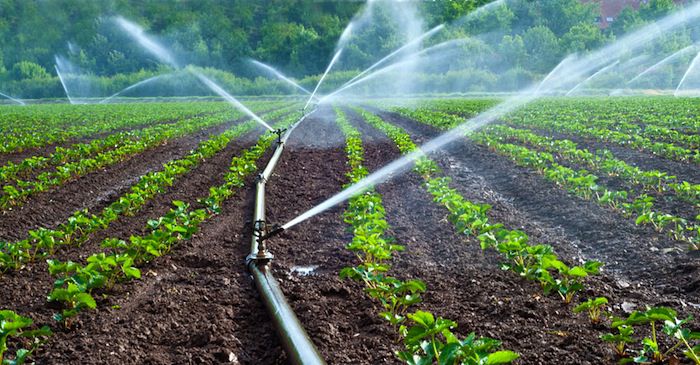
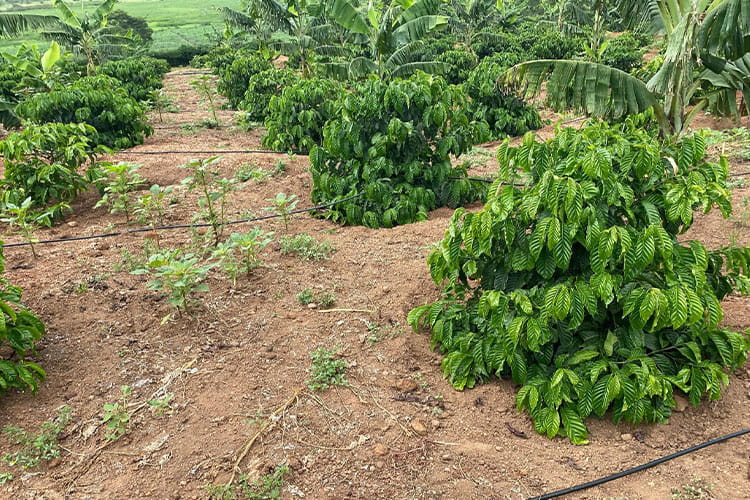
Solar water pumps provide a dependable water source for irrigation throughout the year. This enables farmers to:
- Grow crops during dry seasons
- Increase cropping cycles
- Improve harvest consistency
- Access premium market prices during off-seasons
Year-round farming helps stabilize household incomes and improve food security.
4. Reduced Maintenance Requirements
Diesel engines require regular servicing to maintain performance. Common issues include clogged fuel systems, engine wear, oil leaks, and mechanical breakdowns.
Solar pumps generally require less maintenance because they have simpler operating systems and fewer mechanical components.
This reduces downtime and helps farmers focus more on production rather than equipment repairs.
5. Environmentally Friendly Farming
Agriculture is increasingly embracing climate-smart technologies that reduce environmental impact.
Solar-powered irrigation produces no fuel emissions during operation and relies on renewable energy from the sun. By replacing diesel-powered pumps, farmers can reduce greenhouse gas emissions while contributing to sustainable agricultural development.
As governments and development organizations promote climate-smart agriculture, solar irrigation is becoming a key component of sustainable farming systems.
The Benefits of Solar Water Pumps for Farmers
The growing popularity of solar irrigation is driven by several important advantages:
Lower Operating Costs
Solar energy is free once the system is installed, reducing daily irrigation expenses.
Increased Farm Productivity
Reliable irrigation supports higher crop yields and better crop quality.
Improved Income Opportunities
Farmers can grow crops throughout the year and access markets when prices are highest.
Energy Independence
Farmers are no longer affected by fuel shortages or rising fuel prices.
Long Equipment Lifespan
Quality solar irrigation systems can operate efficiently for many years with proper maintenance.
Climate Resilience
Access to water helps farmers cope with droughts and changing rainfall patterns.
Are Solar Water Pumps Worth the Investment?
For many farmers, the answer is yes.
Although the initial cost may be higher than purchasing a small diesel pump, the long-term savings often outweigh the investment. Reduced fuel expenses, lower maintenance costs, and increased crop production can deliver significant economic benefits over the life of the system.
In many regions, subsidy programs and agricultural financing options are also helping farmers access solar irrigation technologies more affordably.
The Future of Irrigation Is Solar
As the agricultural sector seeks more efficient and sustainable ways to produce food, solar-powered irrigation is emerging as a practical solution for farmers of all sizes.
The combination of lower irrigation costs, improved water access, reduced maintenance requirements, and environmental benefits makes solar water pumps an attractive alternative to diesel-powered systems.
For farmers looking to improve productivity, reduce operating expenses, and build resilience against climate variability, solar-powered irrigation offers a pathway toward a more profitable and sustainable future.
Conclusion
The shift from fuel-powered pumps to solar water pumps is transforming agriculture across many farming communities. By reducing irrigation costs and providing reliable access to water, solar irrigation systems are helping farmers increase productivity while embracing climate-smart farming practices.
As technology becomes more accessible and affordable, solar water pumps are expected to play an even greater role in supporting food security, sustainable agriculture, and rural economic development in the years ahead.